On September 25th 2025, PREZODE hosted a webinar titled “Community-based and integrated surveillance systems.” Delivered in the “Science Talks and Lectures” format, the session presented relevant studies and experiences on leveraging tools and technologies to integrate the wildlife/environment sector and local communities into One Health surveillance.
To address the topic and present solutions, this lecture session welcomed four experts (biographies below). Their presentations offered a comprehensive overview of the challenges and solutions associated with integrating surveillance for the emergence of zoonotic diseases. They highlighted key elements of community-based surveillance, as well as measurement methods to ensure the sustainability of integrated surveillance.
Dr. Rado Rakotonanahary, a researcher, and Dr. Karen Finnegan, a public health researcher and Managing Director of Pivot Science, both from the PIVOT NGO, presented the development of e-health solutions to strengthen community-based surveillance in Madagascar.
Dr. Diego Montecino-Latorre and Dr. Paulo Colchao, both data scientists at the Wildlife Conservation Society, delivered presentations on the SMART (Spatial Monitoring and Reporting Tool) model, explaining how the approach and data model are designed to be broader and to integrate with other important tools.
Dr. Montecino-Latorre gave a global overview of the gaps and needs in wildlife health surveillance, particularly in protected areas. He then focused on the role of rangers in recording events using the standardized SMART protocol, and on how data integration helps monitor areas in several countries around the world. You can view his presentation here.
Dr. Colchao detailed the work carried out in Peru: strengthening capacities through dedicated workshops involving various stakeholders, along with training sessions for park rangers. He shared key takeaways and challenges. His presentation is available here.
Dr. Manon Lounnas, a researcher in global health and ecology at IRD and Science Officer at PREZODE, moderated the session.
Speakers’ biography
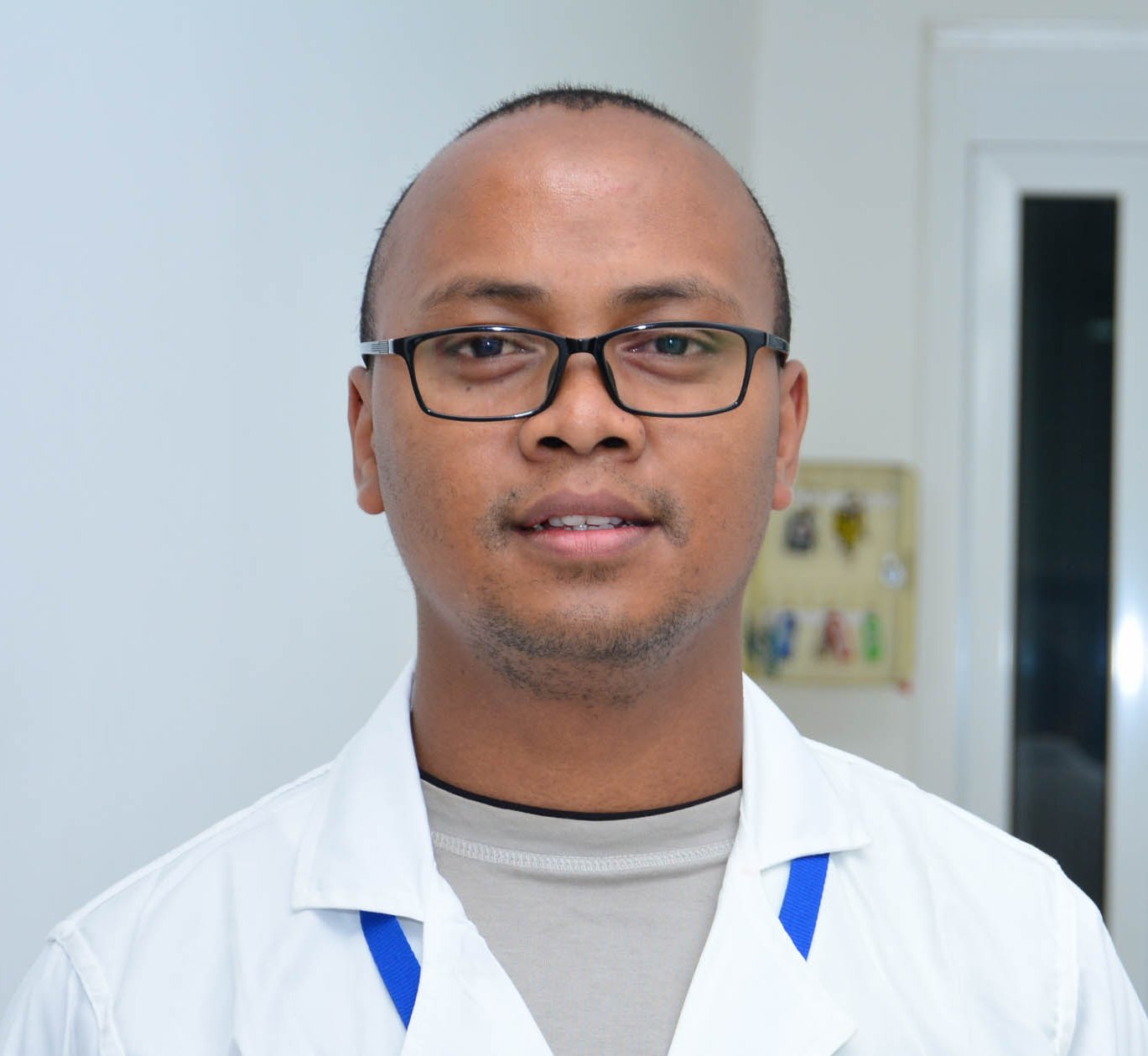
Dr. Rado Rakotonanahary
Rado JL Rakotonanahary, PhD, is a global health researcher with a specialty in immunology and molecular biology of infectious diseases, working with Pivot, an NGO based in Vatovavy Region, Madagascar, and which partners with the Ministry of Public Health to create a model health system. At Pivot, he oversees all laboratory-based research, including the estimation of disease burden using serological data. He has led the establishment of a rural RT-PCR laboratory in a low-resource setting during the COVID-19 pandemic. He is a temporary lecturer in molecular biology at the University of Fianarantsoa, Madagascar, and is part of Dr. Matthew Bonds’ lab at Harvard Medical School. Dr. Rakotonanahary’s previous research at the Institut Pasteur de Madagascar (IPM) investigated the seroepidemiology of rickettsial diseases in Madagascar. He was also involved in the emergency response to the 2017 plague epidemic at IPM, supporting the team in the molecular diagnosis of this deadly disease.
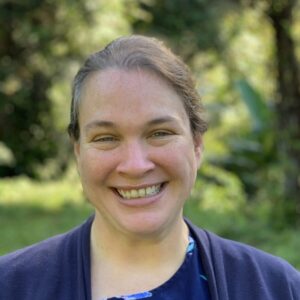
Dr. Karen Finnegan
Karen Finnegan, PhD, MPH, is a public health researcher with more than twenty years of experience conducting research into health systems in countries around the world. She is the Managing Director of Pivot Science, leading research activities for Pivot, an NGO which works to strengthen the public health system in rural Madagascar, and a Research Associate at Harvard Medical School.
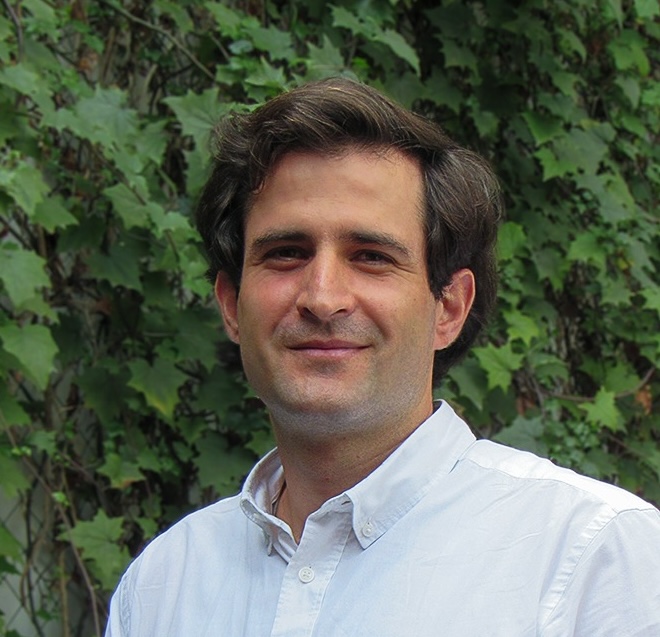
Dr. Diego Montecino-Latorre
Dr. Diego Montecino-Latorre is a veterinarian from Chile who completed his Master’s of Preventive Veterinary Medicine and PhD in epidemiology at UC Davis. These degrees were possible thanks to two full scholarships from the Chilean Government. Diego has conducted research regarding infectious diseases in several wildlife populations, for example, West Nile Virus in crow roosts, sarcoptic mange in foxes in Chile and in California, wasting disease in sea stars from the West Coast of North America, and dynamics of Coronaviruses in bat populations from East and West Africa. Moreover, Diego studied the impacts of free-ranging dogs in Chilean small-scale farmers as a proxy for their impacts on wildlife populations. Before joining WCS, Diego was a postdoc at PSU, building spatial statistical Bayesian models to inform the PA Game Commission of the distribution of areas with high and low abundance of West Nile Vectors. He is now the Wildlife Health Data Scientist and Manager, following his interest and proficiency in Wildlife Health and Conservation, and data analysis.
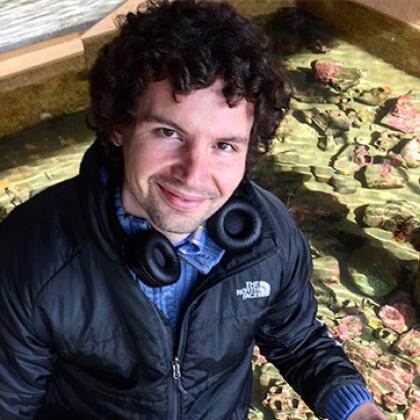
Dr. Paulo Colchao
Dr. Paulo Colchao is a Peruvian veterinarian from Universidad Peruana Cayetano Heredia, with a Master’s degree in Wild animal health from the Royal Veterinary College, University of London. With over 12 years of national and international experience in wildlife research and conservation projects in free-ranging populations, he has participated in wildlife health assessments, population and behavioral studies, and wildlife health interventions. Currently, he works as a Wildlife Health Specialist for the Wildlife Conservation Society (WCS) in Peru. He has been supporting various authorities and communities to strengthen wildlife health management, advance a national wildlife health surveillance system, and promote the operationalization of the One Health approach.