The WOAH-PREZODE Working Group is now established. The group’s objective is to strengthen the translation of scientific evidence into policy and operational action in the field of prevention.
The joint working group was officially launched at the One Health Summit on April 7, 2026. revealed by the Director General of the World Organisation for Animal Health. Dr. Chadia Wannous, One Health Senior Specialist and Global Coordinator, WOAH, and Dr. Marisa Peyre, PREZODE co-founder and Deputy head of ASTRE Unit, CIRAD, will coordinate the working group activities.
Following the call for experts and selection process, the group brings together: Dr. Hend Abdelmaabod, Jeffrey Acaba, Dr. Robyn Alders, Dr. Giorgia Angeloni, Dr. Dibeka Baman, Dr. Ayelet Berman, Dr. Jean-Hugues Caffin, Dr. Aurélie Courcoul, Dr. Flavie Goutard, Dr. Lukeki Kaindama, Dr. Adam Kamradt-Scott, Dr. Lucy Keatts, Dr. Marc Leandri, Dr. Elsa Leger, Dr. Marion Lespine, Dr. Hongying Li, Dr. Antoinette Ludwig, Gabriel Magezi, Dr. Lina Mego, Dr. Nina Militzer, Dr. Dauda Onawola, Mohammad Khalid Sayeed Pasha, Dr. Ana Izabel Passarella Teixeira, Dr. Timothée Poisot, Dr. Birgit Schauer, Dr. Banshi Sharma, Dr. Erin Sorrell, Dr. Claire Standley, Dr. Diana Teixeira, Dr. Silvia Tortosa La Osa, Dr. Joe Alejandra Vargas Blanco, Dr. Prishani Vengetas, Dr. Daan Vink, Dr. Laure Weber-Vintzl, Dr. Philippe Weissenberg Anaboli, Dr. Tu Tu Zaw Win. (See their profile below.)
The working group will combine PREZODE’s research strengths with WOAH’s policy networks to achieve the following objectives:
- Strengthen OH Science-Policy Integration to bridge gaps between scientific evidence and policy formulation by synthesizing OH research into actionable recommendations for governments and stakeholders.
- Advocate for OH Policy Adoption to drive adoption of OH principles in global/regional frameworks.
- Build Capacity for OH Governance to enhance institutional capacity to implement OH policies at national levels.
- Facilitate Multisectoral Collaboration to foster collaboration among scientists, policymakers, and communities to co-design OH policies.
- Monitor and Evaluate Impact through tracking the effectiveness of OH policies informed by the working group’s outputs.
- Amplify Stakeholder Engagement by ensuring inclusive dialogue with marginalized groups (e.g., farmers, Indigenous communities).
- Leverage Digital Tools to use technology to democratize access to OH data and policy tools.
Expert member list for PREZODE-WOAH working group
Dr. Chadia Wannous, Public Health specialist, World Organisation for Animal Health
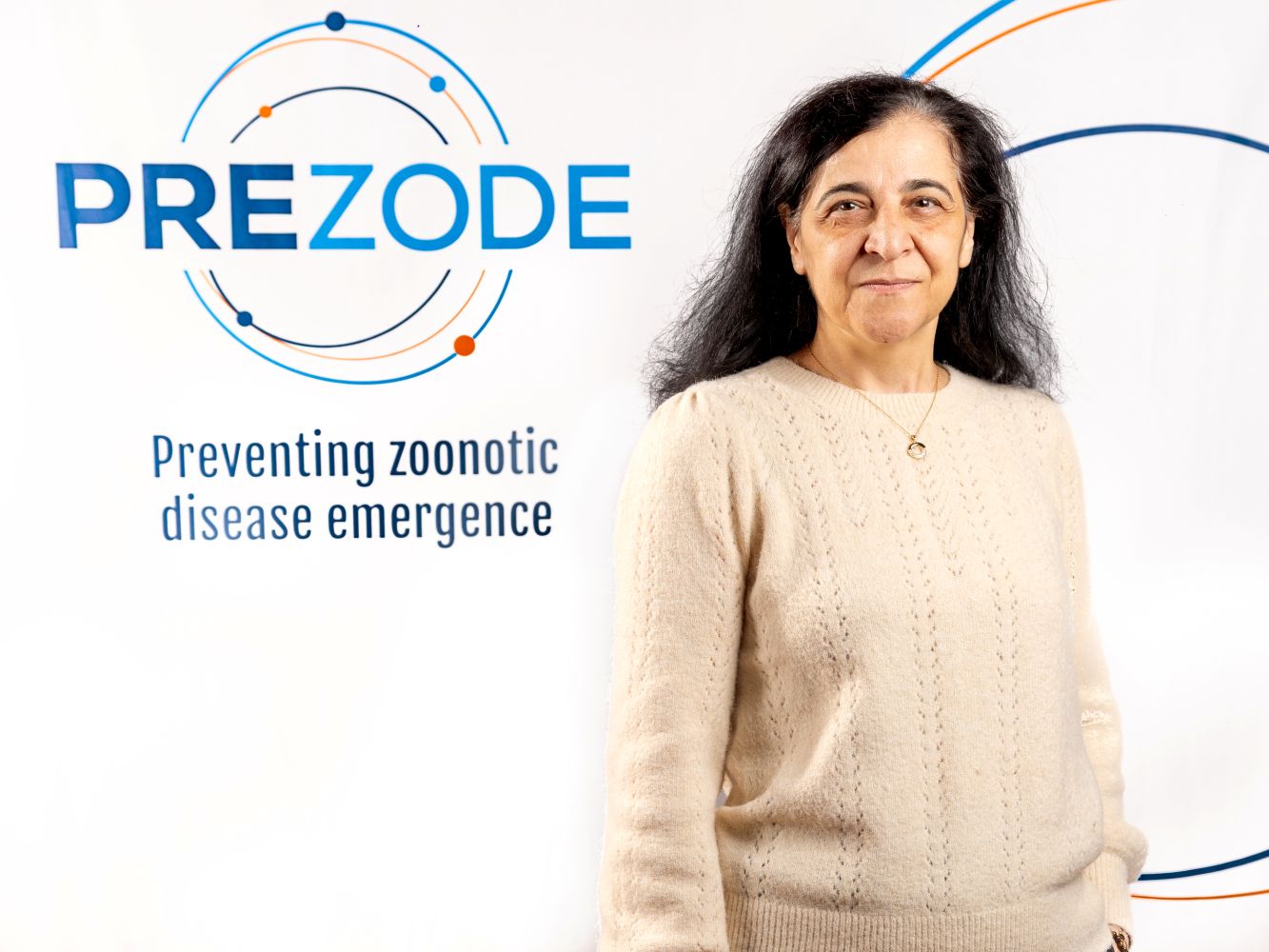
Dr. Chadia Wannous is a Public Health specialist, holder of a PhD in International Health and Development from Tulane University School of Public Health (New Orleans) and a MSc from the London School of Hygiene and Tropical Medicine, MPH in Public Health (Damascus), following a first degree in Dentistry (Damascus).
She has a 30-year track record of implementing national, regional, and international programmes in areas of health policy, advocacy, programme management, research, and coordination, with a particular focus on emergency preparedness and response, risk reduction, and building the resilience of communities and systems. She worked in the USA, Switzerland, Egypt, the Maldives, Thailand and Syria.
Previous employers include the UN Office for Disaster Risk Reduction, the Office of the UN Secretary General’s Special Envoy on Ebola, the UN System Influenza Coordination (UNSIC) Office (various positions), the UN Development Programme (UNDP), the World Health Organization (various positions), Tulane School of Public Health (US) and the Ministry of Health, Syria, her country of birth.
Chadia joins WOAH to support the implementation of the Regional Tripartite and One Health activities in Africa, including but not limited to antimicrobial resistance, rabies, Rift Valley fever, and other emerging and reemerging zoonotic diseases. The position is in part funded by the US Disaster Threat Reduction Agency (DTRA) through a grant to the three Tripartite Partners FAO, WOAH and WHO, to assist in the operationalization of the One Health agenda, including the IHR-2005 Monitoring and Evaluation Framework, best known through its main tool, the Joint External Evaluations (JEE), a subject Chadia is deeply familiar with, and the organization with WHO and FAO, of National Bridging Workshops (IHR and PVS). Chadia is a member of the International Organizations College of the Steering Committee.
Dr. Marisa Peyre, Epidemiologist, Deputy Director of Astre Unit, CIRAD, PREZODE co-founder
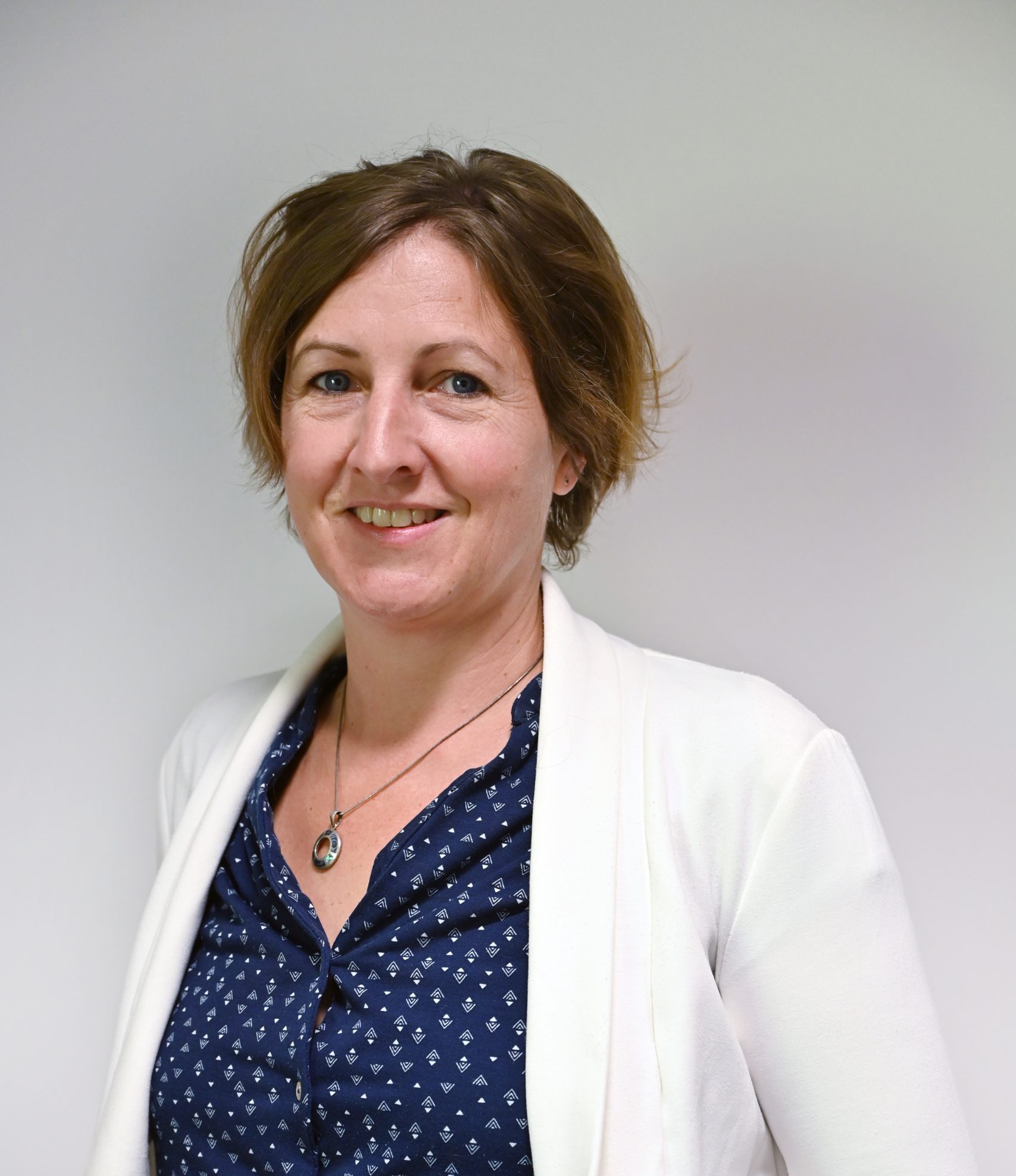 Marisa Peyre
Réunion Prezode au cirad, campus Lavette.
Montpellier, France.
07/09/2023
Dr. Marisa Peyre, co-founder and ExCom Member of PREZODE, is an epidemiologist and deputy director of ASTRE, the integrated health research unit in CIRAD.
She is an epidemiologist specializing in evaluating surveillance and control programs for animal, zoonotic, and emerging diseases. She has an initial training (PhD) in immunology (human health) and a specialization in economics and health program evaluation. She drives international change in paradigm towards increased prevention of health risks using a bottom-up approach and evidence-based evaluation. She conducts research on the evaluation of surveillance and control systems (including wildlife and integrated surveillance systems), with a broad expertise in the design and evaluation of health systems (both in developed and developing countries, especially related to emerging zoonotic risks such as animal Influenza, Ebola and MersCov; animal health economics; participatory epidemiology and public-private partnerships. She provides expertise for international organizations such as FAO, WOAH, The World Bank, and is a member of the Technical Advisory Panel of the Pandemic Fund. Find her publications here.
Dr. Hend Ibrahim Mahmoud Abd Elmaabod, Veterinary Epidemiologist, One Health Strategist and Biosecurity Expert
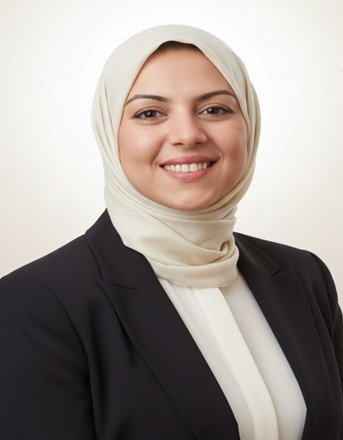
Dr. Hend Ibrahim Mahmoud Abd Elmaabod is a senior Veterinary Epidemiologist and One Health Strategist with more than two decades of experience leading infectious disease control, zoonotic risk mitigation, and national biosecurity initiatives. Her work disease animal health, public health, and policy implementation, positioning her at the forefront of integrated One Health governance in the region.
She holds a Master’s degree in Infectious Diseases and Biorisk Management and a Diploma in Epidemiology from the Faculty of Veterinary Medicine, Cairo University. She is a graduate of the Field Epidemiology Training Program (FETP) – One Health track, accredited by the Egyptian Ministry of Health in collaboration with the U.S. Centers for Disease Control and Prevention (CDC).
Dr. Abd Elmaabod is a certified Training of Trainers (ToT) specialist in Transboundary Animal Diseases through the European Commission for the Control of Foot-and-Mouth Disease (EuFMD). She is also an internationally accredited communication specialist by Humane Society International (USA), reflecting her strategic capacity to translate complex scientific evidence into policy-relevant communication and public engagement.
Throughout her career, she has contributed to regional and global technical dialogues and high-level forums organized by WOAH, FAO, and WHO. She has served as a lecturer with FAO on biosecurity and zoonotic diseases, led national planning and strategic frameworks for zoonotic disease preparedness and response, and acted as Rapid Response Team (RRT) Leader for Avian Influenza.
In addition to her technical and strategic leadership, Dr. Abd Elmaabod is an active science communicator and published writer. She has authored articles in leading Egyptian national newspapers and has appeared on national television programs, providing expert insights on One Health, zoonotic diseases, public health policy, and health security. Through her media engagement, she advances evidence-based dialogue and promotes integrated, sustainable solutions for global health resilience.
Jeffry Acaba, Programme Manager, APCASO

I am a Filipino global health and social development professional with over 20 years of experience advancing health equity, human rights, and community-led responses across Asia and the Pacific. As an openly gay migrant living with HIV, I bring both technical expertise and lived experience to my work, grounding policy advocacy and programme design in community realities. My expertise spans health policy advocacy and accountability, programme management and coordination (including monitoring, evaluation, and learning), training and capacity strengthening, and operational research and documentation. I currently serve as Programme Manager at APCASO, where I support civil society and key population-led organisations to strengthen advocacy for the meaningful inclusion and prioritisation of community, rights, and gender-responsive programming within Global Fund grants, as well as national and regional HIV, TB, pandemic, and One Health strategies. In addition, I provide strategic and programmatic guidance to global civil society partners working to advance equitable, evidence-informed health responses and sustainable community systems.
Dr. Robyn Alders, Honorary Professor, Australian National University
Dr. Robyn Alders is a veterinarian and an Honorary Professor with the Development Policy Centre, Crawford School of Public Policy, Australian National University and the Veterinary Department of Infectious Disease and Global Health, Tufts University, USA. She serves as Co-Chair of the Advisory Committee for the Peste des Petits Ruminants Global Eradication Programme and Co-Lead of the OFFLU Socio-Economic Working Group. Her research examines the nexus between food and nutrition security and sustainable infectious disease control in animals, advancing sustainable livelihoods, biodiversity conservation, climate change mitigation, animal welfare, and public health. Her broader interests include food systems, One Health, gender equity, inclusive policy, and science communication.
Dr. Dibeka Baman, Physician and public health professional
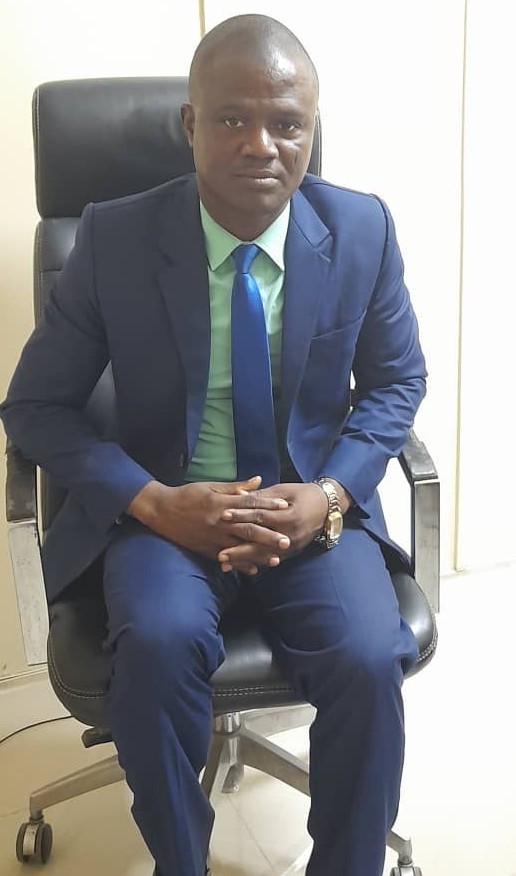
Dr. Dibeka Baman is an experienced Physician and public health professional with over 14 years of experience supporting health system strengthening, governance, and multi-stakeholder coordination in resource-limited African settings. Skilled in strategic leadership, program design, and implementation of donor-funded initiatives, including World Bank, European Union, African Union, African Development Bank, and the United States Agency for International Development projects. Dr. Baman possesses proven ability to coordinate analytical work for investment cases, monitor government expenditures, facilitate resource mapping and expenditure tracking, and coordinate multi-stakeholder platforms. Moreover, he is committed to advancing Universal Health Coverage (UHC), harnessing digital health technologies.
He currently serves as a Global Health Strategy Development Expert for the African Centers for Disease Control and Prevention (Africa CDC), a continental health institution of the African Union. He mainly supports national governments and public health institutions in designing, developing, and implementing robust, evidence-informed strategies to build or strengthen resilient health systems throughout the continent. Previously, he served as the Expert Advisor to the Minister of Economics and Finance in Togo, under the World Bank Economic Governance Support Project, providing technical and operational guidance to ministries managing donor-funded health initiatives. Furthermore, he has been a Senior Technical Advisor for health insurance and social protection, as well as a clinical practitioner.
He graduated with a Doctorate of Medicine (MD) from the University of Lomé, a PhD in Global Health and Health Systems from Euclid University, a Master of Business Administration (MBA), a Master’s in Project Strategic Management, and a Master of Science (MSc) in International Development and Humanitarian Affairs from Laval University of Canada. Also, he is an Alumnus of the International Program in Public Health Leadership (IPPHL), a fellowship delivered by the Evans School of Public Policy and Governance, University of Washington, in collaboration with the Gates Foundation and the Center for Creative Leadership.
In addition, he is a certified Project Management Professional (PMP) by the Project Management Institute (PMI), and a peer reviewer for PLOS Global Public Health and SSM – Qualitative Research in Health. He published several scientific articles on Global Health and Health Systems.
Ultimately, Dr. Baman distinguishes himself as a highly knowledgeable expert on major public health issues in Africa, making an essential contribution to the development of strategies for improving public health policies and the resilience of the continent’s health systems in the «One Health context.
Dr. Ayelet Berman, Visiting Associate Professor, National University of Singapore
Dr. Ayelet Berman is an international legal scholar specializing in global health law, biosecurity, and pandemic governance. She leads the Law and Governance Program at the Asia Centre for Health Security at the National University of Singapore (NUS). She serves as a visiting associate professor at the Saw Swee Hock School of Public Health. She is also a faculty member at the Centre for Infectious Disease Emergencies (CIDER) at NUS Medicine, where she oversees the legal module of the master’s program in Infectious Disease Emergencies. Previously, she led the Global Health Law Program at the NUS Centre for International Law.
Dr. Berman has published extensively with Cambridge University Press and Oxford University Press, as well as in leading peer-reviewed journals, including the European Journal of International Law, the American Journal of International Law, Lancet Global Health, BMJ Public Health, and the Journal of Law and the Biosciences.
Her work is interdisciplinary and focuses on strengthening legal and governance frameworks for pandemic prevention and response. One Health is central to her research and public engagement, including having served on the Steering Committee of the International Law Association’s One Health Committee.
Yoeri Booijink, One Health Economist, CIRAD

Yoeri Booijink is a One Health Economist at CIRAD, specializing in evaluating the Return on Investment (ROI) of the One Health Approach. He is a Core Group Collaborator for the Quadripartite-powered Community of Practice (CoP) on ROI for One Health and One Health Investment Planning. This inclusive, multi-stakeholder initiative focuses on developing investment pathways and providing guidance to assist countries in their economic assessments and national One Health investment planning. Holding a degree in Animal Science and Economics from Wageningen University, Yoeri bridges the gap between economic theory and agricultural reality; in addition to his research, he is an active dairy farmer in the Netherlands, bringing a practical perspective to global health investment strategies.
Dr. Jean-Hugues Caffin, Sociologist, One Health Specialist
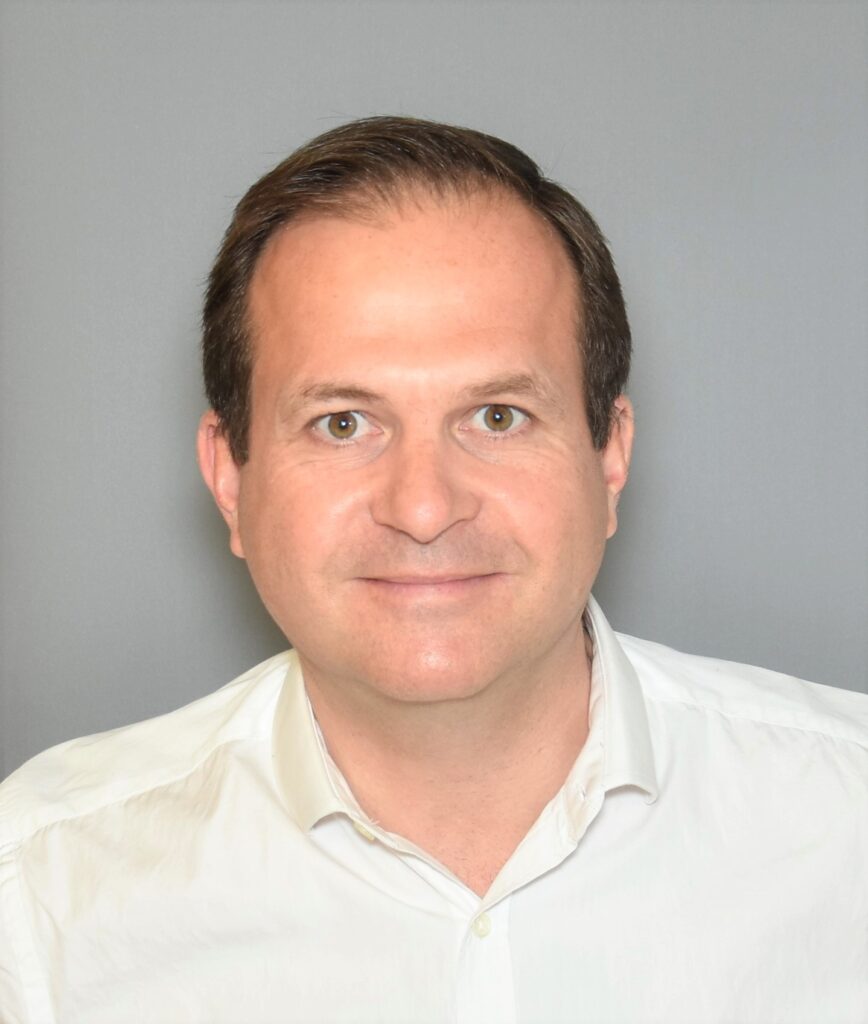
Dr. Jean-Hugues Caffin holds a Master’s degree in Management and International Relations. He has worked on numerous development projects financed by international institutions. Between 2014 and 2018, he completed his doctoral thesis in Management Science (Sociology of public action). His researches focus on health system reform in the Global South within the context of globalized public policies. Since 2022, he has been a researcher at CIRAD, currently hosted at the Institute for Health and Development at Cheikh Anta Diop University in Dakar. Within the framework of the Prezode Initiative, he coordinates the implementation in Senegal of the AfriCam project (PREACT Program), which supports zoonotic disease prevention policies at the national and local levels. His specific activities aim to strengthen ownership of “One Health” policies by fostering dialogue between policymakers, researchers, and civil society.
Dr. Aurélie Courcoul, Veterinarian and epidemiologist

Dr. Aurélie Courcoul is a veterinarian and epidemiologist, currently Deputy Head of the Animal Health Division at INRAE (France). She holds a PhD in epidemiology and is a diplomate of the European College of Veterinary Public Health. Her work focuses on animal health, zoonotic diseases, research management, and the science–policy interface within a One Health perspective.
Over the past fifteen years, she has worked at the science–policy interface across research, public administration, and higher education, including positions at the French Ministry of Agriculture, the French Agency for Food, Environmental and Occupational Health & Safety (ANSES), and Oniris, a French higher education and research institution in veterinary and food sciences, where she served as Director of Research and Doctoral Studies.
At INRAE, she contributes to the strategic coordination of the department’s scientific agenda and leads activities supporting public policy. She is actively involved in national and international expert networks and contributes to advancing science–policy dialogue in animal health and One Health governance
Dr. Lukeki Kaindama, One Health Specialist, UK Health Security Agency

Dr. Lukeki Kaindama is an epidemiologist with over a decade of experience across global health security, infectious disease epidemiology, and One Health. She works on the International Health Regulations (IHR) Strengthening Programme at the UK Health Security Agency, partnering with countries and regional organisations to strengthen multisectoral health systems for prevention, preparedness, detection, and response. Her experience spans both system strengthening and outbreak response, including coordination of national and international surveillance and information-sharing during public health emergencies. She is a guest lecturer in public health and contributes to capacity building through technical training and multisectoral workforce development. Her work focuses on operationalising One Health through cross-sectoral coordination, capacity building and simulation-based preparedness, with a particular interest in zoonotic disease prevention, health system resilience and translating prevention research into practical implementation.
Dr. Adam Kamradt-Scott, Cummings Foundation Professor of One Health Diplomacy at the Fletcher School of Law and Diplomacy, Tufts University
 09/24/2024 Fletcher School, Tufts University- Medford, MA.
Adam Kamradt-Scott poses for a headshot at the Fletcher School at Tufts University on Tuesday, September 24, 2024
09/24/2024 Fletcher School, Tufts University- Medford, MA.
Adam Kamradt-Scott poses for a headshot at the Fletcher School at Tufts University on Tuesday, September 24, 2024
Associate Professor Adam Kamradt-Scott is currently the inaugural Cummings Foundation Professor of One Health Diplomacy at the Fletcher School of Law and Diplomacy, Tufts University. His research, teaching, and policy engagement work explores how governments and multilateral organisations respond to adverse health events such as epidemics, pandemics, and emerging health and security challenges. Prior to entering academia, Professor Kamradt-Scott’s background includes having worked as a health professional specialising in emergency care and clinical risk management, a political and legislative adviser, and a public servant in national pandemic preparedness. Before joining Tufts University, he worked at the London School of Hygiene & Tropical Medicine, the University of Sydney, the European University Institute, and the Harvard T.H Chan School of Public Health. Professor Kamradt-Scott holds formal academic qualifications in health, international relations, and law, and has published three books and over 55 journal articles and book chapters. More recently, Professor Kamradt-Scott served as an adviser to the World Bank on pandemic preparedness, as well as counselling the Australian Government on the COVID-19 response, proposed changes to the International Health Regulations, and the negotiation and adoption of the WHO Pandemic Agreement. Professor Kamradt-Scott founded the Global Health Security conferences and served as the conference convenor from 2019-2025.
Dr. Lucy Keatts, Associate Director for the WCS Health Program
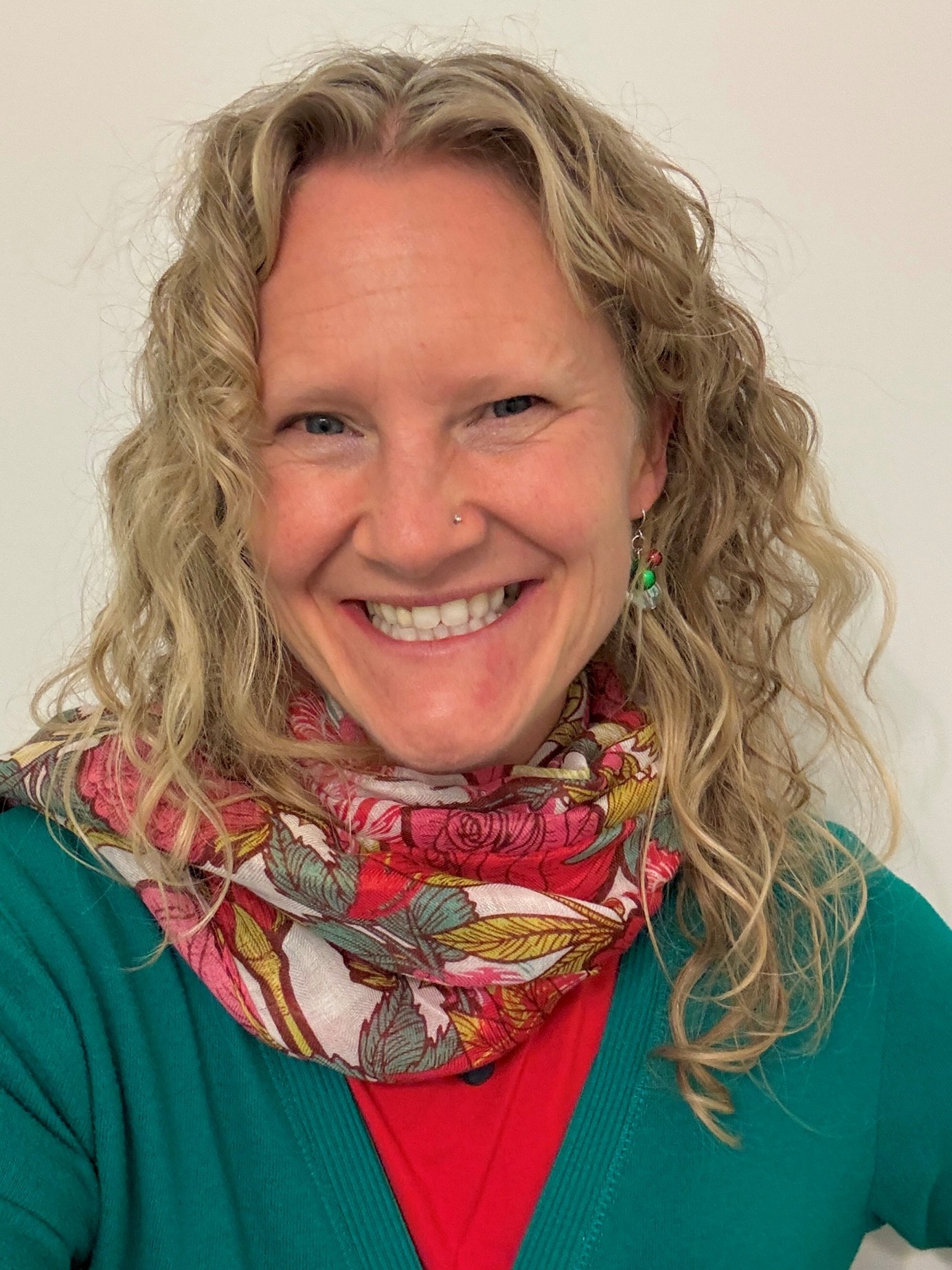
Dr. Lucy Keatts is the Associate Director for the WCS Health Program. She is a veterinarian with a Master’s in Veterinary Science (Conservation Medicine) and more than two decades of experience leading and building capacity for wildlife health management, disease surveillance, monitoring, and applied research at complex wildlife–human–domestic animal systems worldwide.
Lucy works to advance policy and practice that recognize the intrinsic links among human, animal, and ecosystem health. She supports the integration of wildlife health into national and subnational One Health strategies, contributes technical expertise to policy development processes, and promotes standards-based, locally led surveillance systems aligned with global frameworks. She also designs and delivers training programs that strengthen field and institutional capacity—from frontline wildlife staff to cross-sector partners—fostering durable surveillance and response networks.
Her work emphasizes the value and co-benefits of primary prevention to reduce emerging health threats to animals and people, including infectious disease spillover and non-infectious risks. She is committed to advancing socio-ecological, transdisciplinary approaches that strengthen resilience across wildlife, livestock, and human health sectors, while safeguarding the integrity and function of the ecosystems we share.
Dr. Marc Leandri, Associate Professor of Economics at UVSQ-Université Paris Saclay
Dr. Marc Leandri is an Associate Professor of Economics at UVSQ-Université Paris Saclay and a researcher at UMI SOURCE-IRD. His work focuses on the economics of health and environment, with a particular interest in One Health approaches and risk perceptions of vector-borne diseases. He serves as Chair of the Socio Economic Experts Council at the French Agency for Food Environmental and Occupational Health and Safety (ANSES) and as a member of the One Health Journal Editorial Board. He currently works as visiting research fellow at the Agence Française de Développement (AFD). His research addresses the economic value of One Health prevention policies for zoonotic diseases in the North and the Global South.
Dr. Hongying Li, One Health researcher
Dr. Hongying Li is a One Health researcher and practitioner working at the intersection of biodiversity conservation, zoonotic disease prevention, and science–policy dialogue. With interdisciplinary training in biology, public health, and social and behavioral sciences, she integrates research with governance and policy translation, focusing on human–animal interactions within shared ecosystems. An advocate for meaningful community participation, her work promotes co-design and locally led solutions through interdisciplinary, multi-country programs across Asia and Africa, supporting governments and global platforms to strengthen evidence-based One Health systems and inclusive decision-making processes.
Dr. Elsa Léger, Global Science Officer for the PREZODE initiative, INRAE
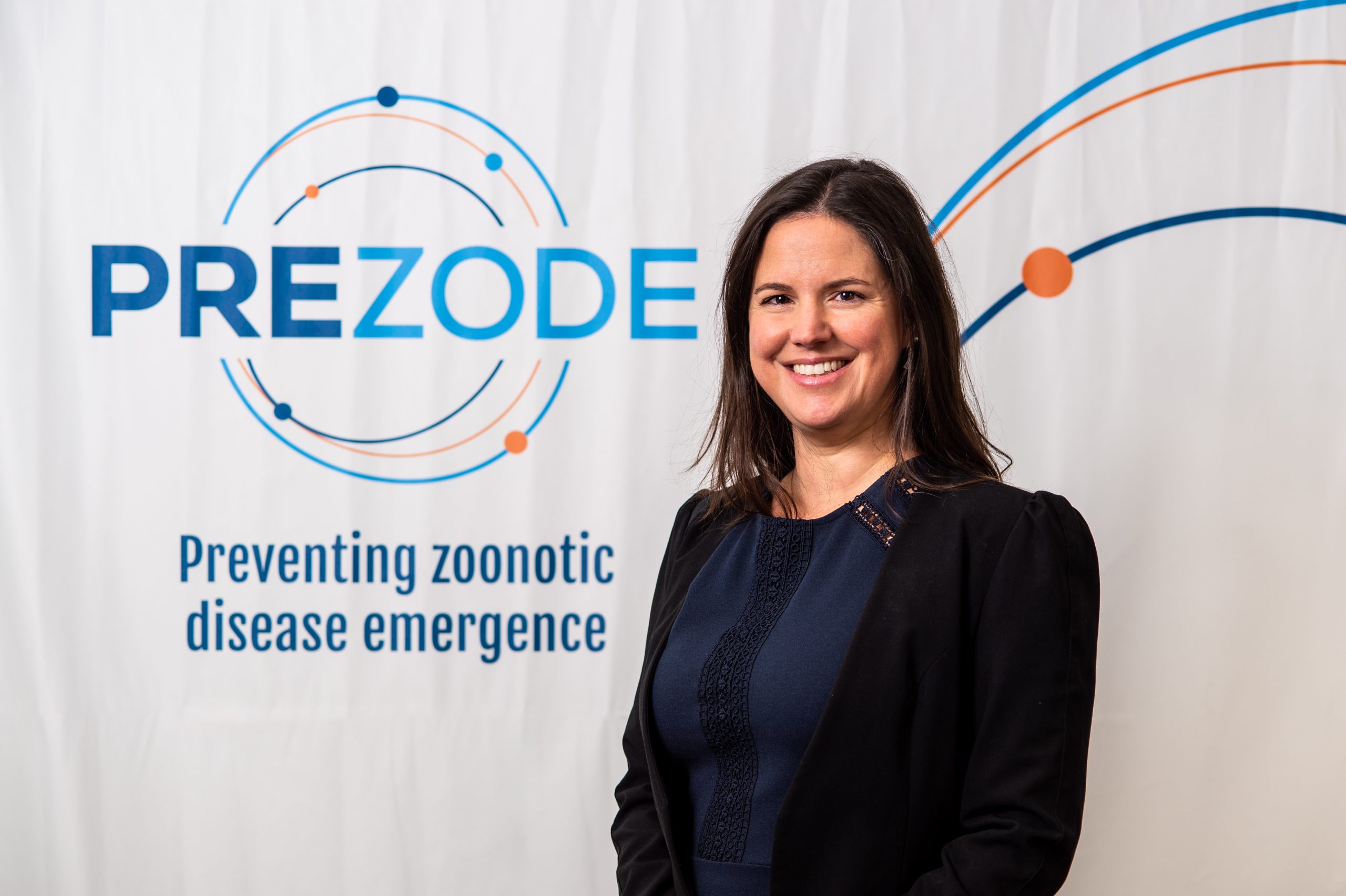
Dr. Elsa Léger is Global Science Officer for the PREZODE initiative and a specialist in zoonotic infectious diseases and One Health approaches at INRAE. Since joining PREZODE in March 2024, she has been providing scientific support to the initiative and coordinating its five Pillar Working Groups, contributing to the development of international collaboration and scientific coordination to prevent the emergence of zoonotic diseases.
Between 2015 and 2024, she held several research positions at the Royal Veterinary College in London, where she led and contributed to multidisciplinary international projects on neglected zoonotic diseases, particularly zoonotic schistosomiasis and toxoplasmosis. Her work combined molecular epidemiology, mathematical modelling, social sciences and health economics to study transmission dynamics, prevention strategies and treatment approaches within complex socio-ecological systems. These projects involved extensive fieldwork and close collaboration with research institutions, public health actors and local communities in sub-Saharan Africa.
She has co-organized international workshops promoting the One Health approach bringing together researchers, public and veterinary health institutions and local stakeholders to promote the One Health approach for the prevention and control of zoonotic diseases. and collaborated with the Food and Agriculture Organization of the United Nations (FAO) and the World Health Organization (WHO) on guidelines and operational tools for the surveillance and control of zoonotic diseases.
With extensive field experience and strong engagement for international cooperation, she promotes interdisciplinary and collaborative approaches as essential to strengthening global prevention of emerging zoonotic threats.
Marion Lespine
Dr. Antoinette Ludwig, Senior scientific researcher at the Public Health Agency of Canada (PHAC)

I am a senior scientific researcher at the Public Health Agency of Canada (PHAC). With degrees in veterinary science and epidemiology, I have extensive research training in the field of epidemiology. I obtained my degree in Veterinary Medicine in 2001 from the Veterinary School of Lyon, specializing in equine medicine and surgery, and my PhD at University of Montréal (QC, Canada) in 2008. After completing my PhD, I was immediately hired by the Public Health Agency of Canada. Since then, I have worked in several branches and departments of the Public Health Agency, focusing on a variety of research topics, mainly related to zoonotic diseases. In 2024, I joined the newly created Risk Assessment hub within the Science and Policy Integration Branch. As part of this team, I am in charge of an integrated research program on the development of methodological approaches to public health risk assessment. My program focuses on two main themes: 1) developing a conceptual framework and field studies on participatory approaches to risk assessment, and 2) implementing risk assessment approaches that integrate mental health determinants, events, and impacts. In addition to my research activities, I collaborate on risk analyses using a “One Health” approach. This role allows me to develop in-depth studies on complex topics and implement innovative solutions to address public health challenges using a “One Health” approach.
Gabriel Magezi, Executive Director, YOLIDA
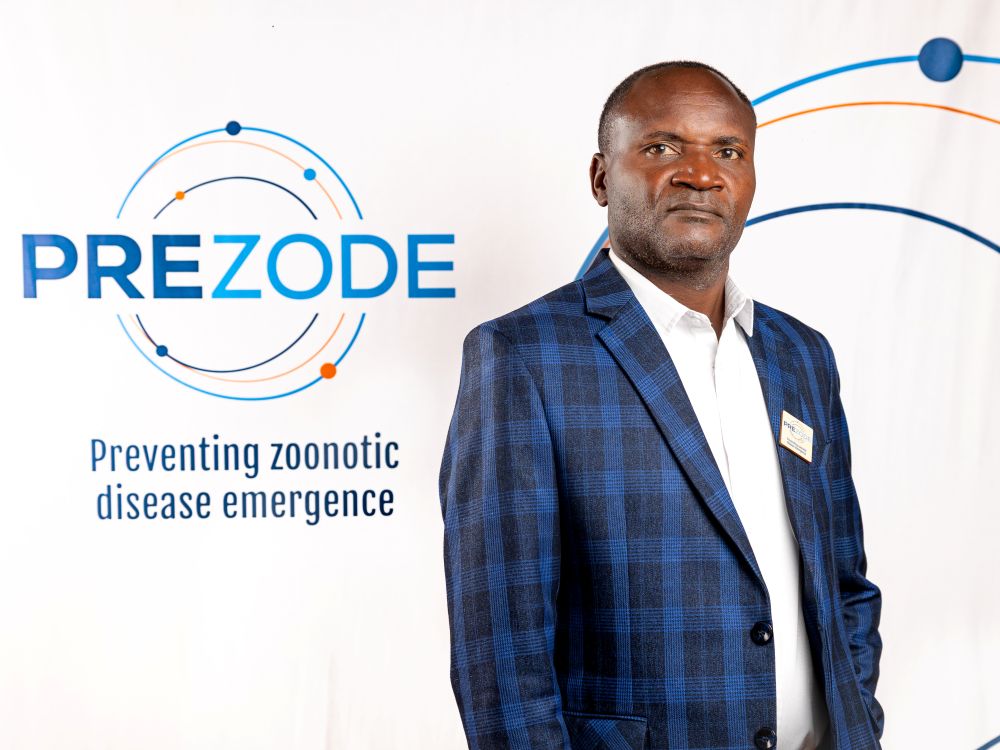
Gabriel Magezi is an education specialist, senior curriculum developer, art and design professional, and theologian. He has also engaged in community development and health, youth, children and women programs, and the elderly.
He is currently the Executive Director of The Young and Older Persons Integrated Development Program in Africa (YOLIDA), a civil society organization operating in Uganda with an African agenda to engage with communities to participate in their own health and livelihoods. Gabriel Magezi is also the Deputy Chairperson of CoP-Rwenzori (The Community of Practice for Improving the Quality of Life of young people living with HIV), a consortium of civil society organizations operating in the Rwenzori region, Western Uganda. He is also a member of the district pandemic task force for Ebola and COVID-19 representing Civil society organizations.
Gabriel Magezi has broad experience in management, education, rural development, strategic planning and management, project implementation strategies, supervision, tracking and monitoring of goals against targets, reporting, and partnership formations.
Over the past few years, Gabriel Magezi has worked with various institutions and organizations, notably YOLIDA, Action Uganda Ministries International, Hope Haven Rwanda, Sunrise School Rwanda, National Curriculum Development Centre (Rwanda Education Board), and the Ministry of Education in Uganda. He relies on a vast network of professional experts in the specific areas of public health and disease prevention, community development, rural development, Education, research, Project planning, and Local governments.
Gabriel Magezi holds diplomas in education, and a diploma in theology and biblical studies.
Dr. Lina Gazu Mego, Postdoctoral Fellow at the Université de Montréal’s School of Public Health under the Canada Excellence Research Chair in One Urban Health.
Dr. Lina Gazu Mego is a Postdoctoral Fellow at the Université de Montréal’s School of Public Health under the Canada Excellence Research Chair in One Urban Health. Originally from Ethiopia, she is a veterinarian and public health scientist with over twelve years of experience in zoonotic diseases, food safety, and One Health implementation across low- and high-income settings. Prior to her current role, she served as a Research Officer at the International Livestock Research Institute (ILRI), where she contributed to multidisciplinary research on zoonotic disease surveillance, food safety, and health systems strengthening. Her work focuses on translating scientific evidence into policy and strengthening multisectoral collaboration for health governance and resilient urban food systems.
Nina Militzer, veterinarian specializing in One Health, livestock systems and international animal health

Nina Militzer is a veterinarian by training with a focus on One Health, livestock systems and international animal health. She holds a PhD in Biomedical Science and Parasite Infections from Freie Universität Berlin, with doctoral research on ticks and tick-borne diseases, and the German One Health Certificate. During her scientific career, she gained experience in molecular biology, experimental animal studies, coordination of research projects, supervision of students and teaching seminars. Nina has extensive practical experience in project implementation and policy advisory, including positions at Deutsche Gesellschaft für Internationale Zusammenarbeit (GIZ), FAO, and the German Federal Ministry for Economic Cooperation and Development (BMZ). She currently works as an advisor for One Health at GIZ’s Global Programme on Pandemic Resilience, providing technical advice on multisectoral governance and financing aspects for pandemic prevention, preparedness and response with a One Health approach. She has previously supported projects and policy processes in Cameroon and Cambodia, collaborating with local, national, and multilateral partners.
Dr. Dauda Onawola, Veterinarian and One Health Implementation specialist

Dr. Dauda Onawola is a Veterinarian and One Health Implementation specialist with extensive experience bridging the gap between high-level policy and community-level implementation across livestock production, animal health workforce development, wildlife health and biodiversity conservation. He is an Ashoka-certified specialist in multi-stakeholder co-design that excels at mobilizing civil society networks to implement intersectoral strategies at the human-animal-environment interface. He currently represents Africa on the Executive Steering Committee of the International Alliance against Health Risks in Wildlife Trade and is the founder of the One Health in Action Initiative.
Dr. Dauda has successfully led behavior-change campaigns reaching millions and currently serves as a One Health Training Development Specialist for an FAO-hosted initiative, overseeing digital learning for veterinary professionals in Nigeria, Uganda, and South Africa. With a strong focus on mitigating zoonotic spillover risks at the grassroots, he is a leading advocate for integrating entrepreneurship into One Health frameworks. To this end, he is currently co-developing the “One HealthPreneurship” concept to drive sustainable socio-economic development across the Global South.
Mohammad Khalid Sayeed Pasha, IUCN Asia’s Coordinator
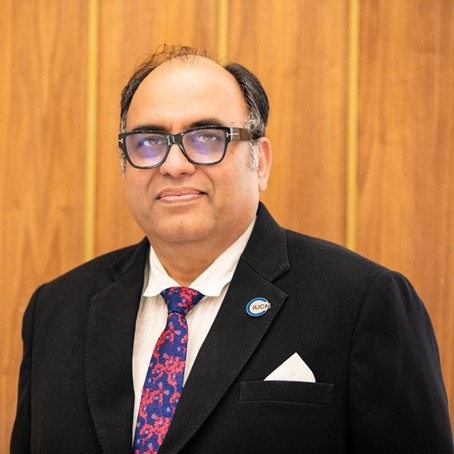
Mohammad Khalid Sayeed Pasha is the IUCN Asia’s Coordinator for Protected, Conserved and Heritage Areas, Asia Protected Areas Partnership (APAP) and the CBD Asia Technical Scientific Cooperation Support Centre (TSCC), and also serves as the One Health Focal Point for IUCN Asia Regional Office (ARO). Based in Bangkok. Khalid provides strategic leadership to regional programmes advancing the Kunming–Montréal Global Biodiversity Framework.
With over 25 years of experience across the Asia–Pacific region, Pasha specializes in protected area governance, large-mammal conservation, transboundary cooperation, and illegal wildlife trade mitigation. He has led multi-country initiatives and contributed to global standards such as FairWild Standard, Conservation Assured Standards for Tigers, Jaguars and River Dolphins, and the IUCN Green List of Protected and Conserved Areas. He has been instrumental in building regional collaboration and strategic partnerships across governments, NGOs, and multilateral agencies. His work integrates biodiversity conservation with protected and conserved heritage areas (PCHA), One Health, climate resilience, and community well-being.
Dr. Ana Izabel Passarella Teixeira, Associate Professor at the Federal University of Mato Grosso do Sul (UFMS)
Ana Izabel Passarella Teixeira, DVM, MSc, PhD is a Brazilian veterinarian and epidemiologist specializing in infectious diseases at the human–animal–environment interface in Latin America. She holds a PhD in Tropical Medicine from the University of Brasília and completed postdoctoral training in epidemiology.
She is an Associate Professor at the Federal University of Mato Grosso do Sul (UFMS), Brazil, where she leads research on zoonoses, arboviruses, diagnostic strategies, vaccine coverage, and emerging pathogens within a One Health framework. Dr. Teixeira has contributed to multicenter studies on SARS-CoV-2 and Aedes-borne diseases, integrating epidemiological modeling and surveillance tools to support evidence-based public health decision-making and preparedness in the region.
Dr. Birgit Schauer, Veterinary epidemiologist on One Health animal
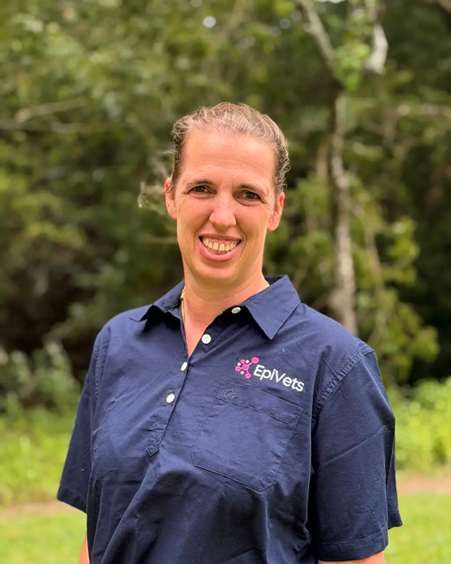
Dr Birgit Schauer is a veterinary epidemiologist with over 15 years of international experience advancing One Health across animal, human, and environmental domains. Trained in Germany, she has worked across academia, government institutions, international development, and private sector epidemiology in Europe, Southeast Asia, and now New Zealand.
Her work bridges science and policy, with particular expertise in surveillance system design, risk-based approaches, data quality frameworks, and participatory research methodologies. She led the integration of a dedicated One Health module into the SHIP-NEXT population-based cohort study in Germany and coordinated the EU Horizon 2020 project JoinUs4Health, pioneering citizen engagement in health research. Earlier, she served as Technical Manager of a national avian influenza project in Vietnam, supporting evidence-based surveillance and cross-sectoral coordination.
Since January 2026, Dr Schauer has been working as an Epidemiologist at EpiVets in New Zealand, contributing to One Health-focused epidemiological practice. Based in Golden Bay, she is also actively engaged in community-led environmental and food resilience initiatives (Connected Pathways). Her work is driven by a commitment to culturally grounded, participatory approaches that strengthen the science–policy interface in global One Health governance.
Dr. Banshi Sharma, Livestock development professional and senior government leader, Nepal
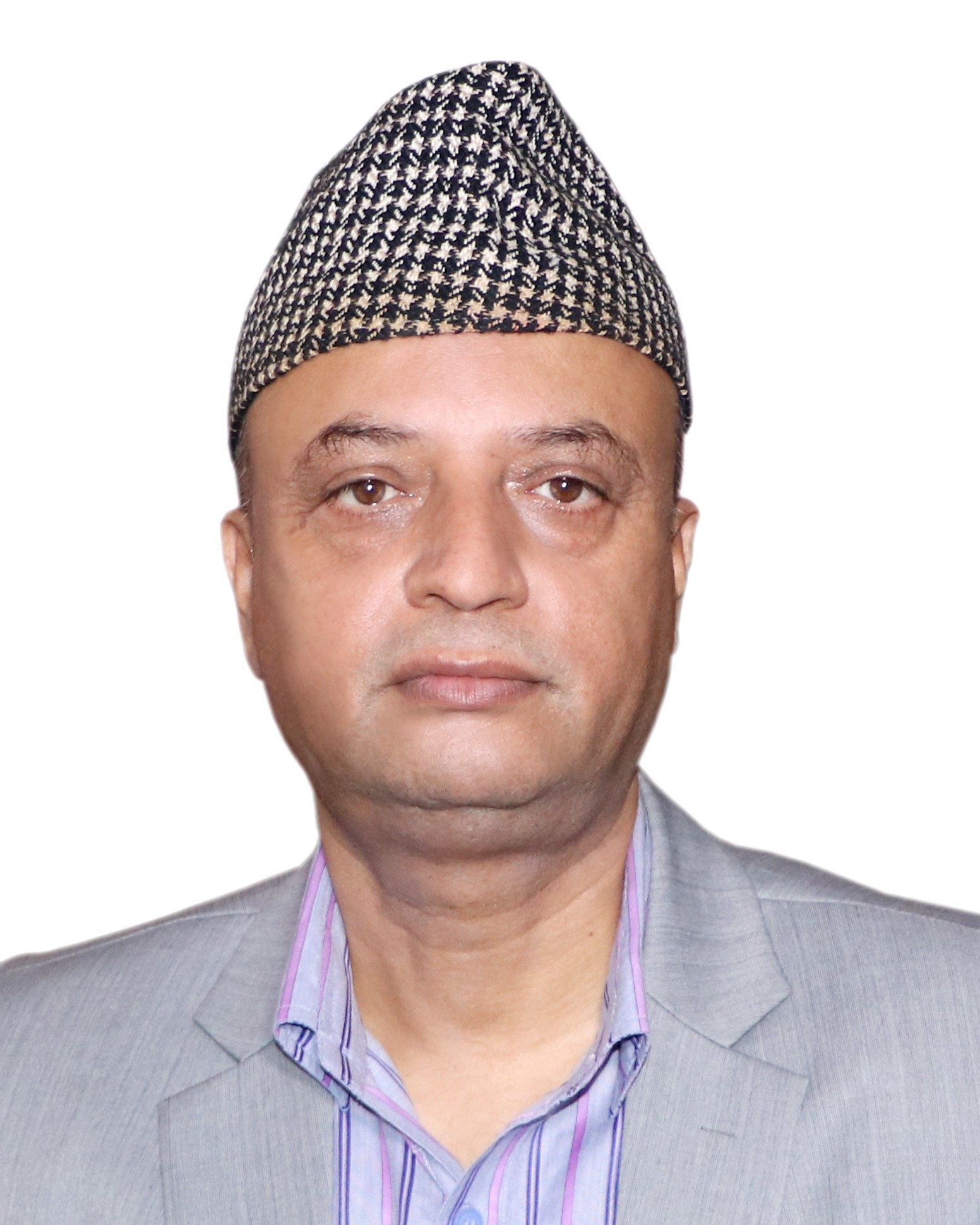
Dr. Banshi Sharma is a distinguished livestock development professional and senior government leader of Nepal, widely recognized for his strategic leadership in strengthening the country’s livestock and dairy sectors. With more than three decades of dedicated service in animal health, biotechnology, livestock production, dairy development, and rural transformation, Dr. Sharma has played a pivotal role in shaping Nepal’s livestock policies and institutional reforms in current time.
In the year 2019-2020 he served as the Director General of the Department of Livestock Services (DLS), Ministry of Agriculture and Livestock Development, Government of Nepal, Dr. Sharma leads national programs on animal health management, livestock productivity enhancement, disease surveillance and control, veterinary service delivery, food safety, and genetic improvement initiatives. Under his leadership, DLS has strengthened national frameworks for trans-boundary animal disease preparedness such as LSD, HPAI outbreak etc. , antimicrobial resistance (AMR) mitigation, bio-security promotion, and One Health collaboration. He was OIE delegate of Nepal at that time.
Dr. Sharma holds advanced academic qualifications in Molecular biology aiming of upliftment in Livestock Science and Animal Production. His professional career reflects extensive field-level experience combined with high-level policy engagement. He has successfully guided national campaigns on livestock vaccination, breeding improvement programs, dairy value chain strengthening, and climate-resilient livestock farming systems. His contributions have significantly enhanced farmers’ livelihoods, improved milk and meat productivity, and supported Nepal’s food and nutrition security agenda. He is one of the pillar for making one health policy and operationalizing of one health policy in Nepal under DLS and FAO.
A strong advocate of evidence-based policy and international collaboration, Dr. Sharma has represented Nepal in numerous regional and global forums related to animal health, veterinary governance, and sustainable livestock development. He has worked closely with international development partners and technical agencies to align Nepal’s livestock sector with global standards and sustainable development goals.
Dr. Sharma has authored and co-authored several technical papers, policy briefs, and strategic documents on livestock production systems, dairy sector transformation, zoonotic disease management, and rural economic development. His expertise spans livestock economics, animal health systems strengthening, production management, and institutional capacity building.
He had served as provincial secretary of Agriculture development in Nepal as well as joint secretary of the Ministry of Agriculture and Livestock Development in Nepal.
Throughout his career, he has been recognized for his visionary leadership, integrity, and commitment to public service. His work continues to contribute to building a resilient, competitive, and sustainable livestock sector in Nepal, ensuring improved income opportunities for smallholder farmers and safeguarding public health.
Dr. Banshi Sharma remains a respected leader in Nepal’s agricultural development landscape and a committed professional dedicated to advancing livestock systems for national prosperity and global cooperation.
Dr. Erin M. Sorrell, Senior Scholar at the Johns Hopkins Center for Health Security
Dr. Erin M. Sorrell (PhD, MSc) is a Senior Scholar at the Johns Hopkins Center for Health Security and an Associate Professor in the Department of Environmental Health and Engineering at Johns Hopkins Bloomberg School of Public Health. She also serves as Director of the Elizabeth R. Griffin Program at the Center for Health Security. Her research portfolio combines the disciplines of basic science, biosafety, and one health systems strengthening to develop and apply a variety of methodologies to map, assess, and address both the structure and function of one health systems in collaboration with partners across government, international organizations, and academia. Erin received her BS from Cornell University in animal science and her MSc and PhD in virology from the University of Maryland, College Park.
Dr. Claire J. Standley, Senior Biosecurity Initiatives Lead for CEPI
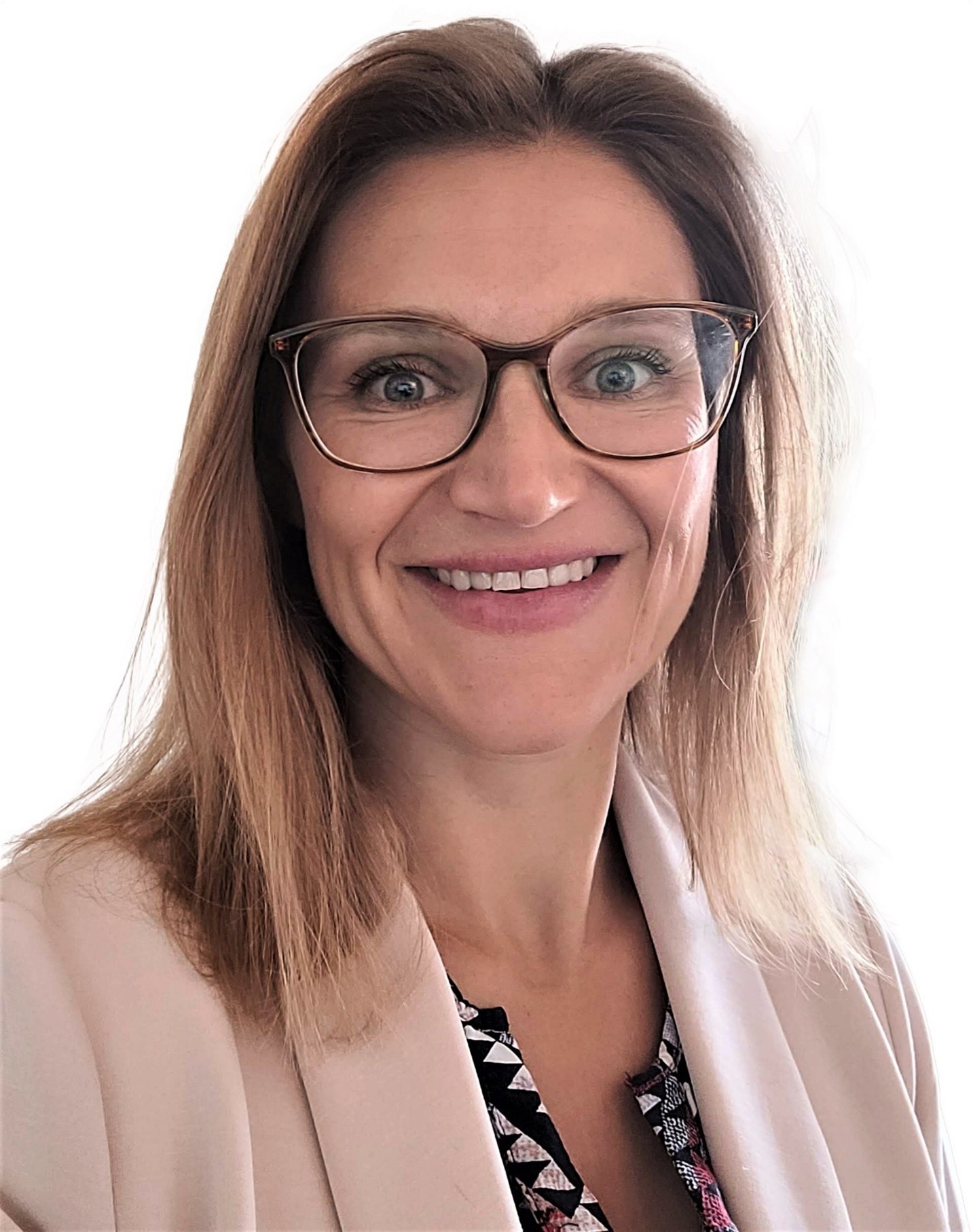
Claire is a Senior Biosecurity Initiatives Lead for CEPI (the Coalition for Epidemic Preparedness Innovation), where she oversees implementation of CEPI’s biosecurity capacity strengthening and innovation efforts across CEPI’s global network of vaccine research, development, and manufacturing partners. She is also an Adjunct Associate Professor with the Center of Global Health Science and Security, with a secondary appointment in the Department of Global Health, where she teaches and conducts research on multisectoral approaches to health systems strengthening for management of infectious disease threats. She previously held roles as an Adjunct Scientist with the Heidelberg Institute of Global Health, a Senior Scientist at the George Washington University and as a AAAS Science & Technology Fellow with the U.S. Department of State’s Biosecurity Engagement Program. In addition to her programmatic and academic work, Dr. Standley serves on the editorial boards of several prominent scientific journals and on the Scientific Program Committee for the American Society for Tropical Medicine and Hygiene.
Dr. Diana Teixeira, Senior Biosecurity Initiatives Lead for CEPI
Dr. Diana Teixeira has a master’s in veterinary medicine from UTAD in Portugal, specialising in Equine Surgery. Currently she works as Public Affairs Manager and she is completing a PhD on One Health focused on science communication for policymaking. She gained experience in supporting EU initiatives on AMU and AMR, sustainability, digital and data, research and innovation, human-animal bound and disease prevention, preparedness and control at FVE and AnimalhealthEurope.
Dr. Silvia Tortosa La Osa, Veterinarian, animal health, epidemiological surveillance, food safety, and public health

Dr. Silvia Tortosa La Osa is a Spanish veterinarian with over 12 years of experience in animal health, epidemiological surveillance, food safety, and public health. She has extensive experience working in both the public sector and international cooperation, supporting government institutions, communities, and productive sectors.
She currently serves as Animal Health Specialist at the Inter-American Institute for Cooperation on Agriculture (IICA) in the Dominican Republic, where she supports national efforts to control African swine fever and reduce the risk of its spread across the region. Silvia has lived and worked in the Dominican Republic for more than 12 years.
Throughout her career, she has worked at the intersection of science, policy, and practice, providing technical support to governments, communities, and productive sectors. Her experience includes designing surveillance systems, developing evidence-based interventions, and contributing to public policies, through multisectoral coordination.
Silvia holds a Master’s degree in Veterinary Public Health and a postgraduate degree in Epidemiological Surveillance, and she is currently pursuing a PhD in Public Health focused on the effectiveness of vector control interventions to prevent mosquito-borne diseases.
Dr. Joe Alejandra Vargas Blanco, Head of the Veterinary Inputs Quality Control Department at the National Veterinary Services Laboratory, SENASA.
Dr. Joe Alejandra Vargas Blanco, PhD (DMV, MSc), is Head of the Veterinary Inputs Quality Control Department at the National Veterinary Services Laboratory (LANASEVE), SENASA (Costa Rica). She leads technical and administrative operations to ensure continuity of services, validity of results, and compliance with Good Laboratory Practices and the quality management system, providing evidence to support risk-based regulatory decisions and institutional planning. She is also an adjunct lecturer at Universidad Iberoamericana (UNIBE), teaching Animal Welfare. Her doctoral research at the University of Costa Rica examined the governance of Costa Rica’s National AMR Action Plan under a One Health approach.
Dr. Prishani Vengetas, Conservation Veterinarian
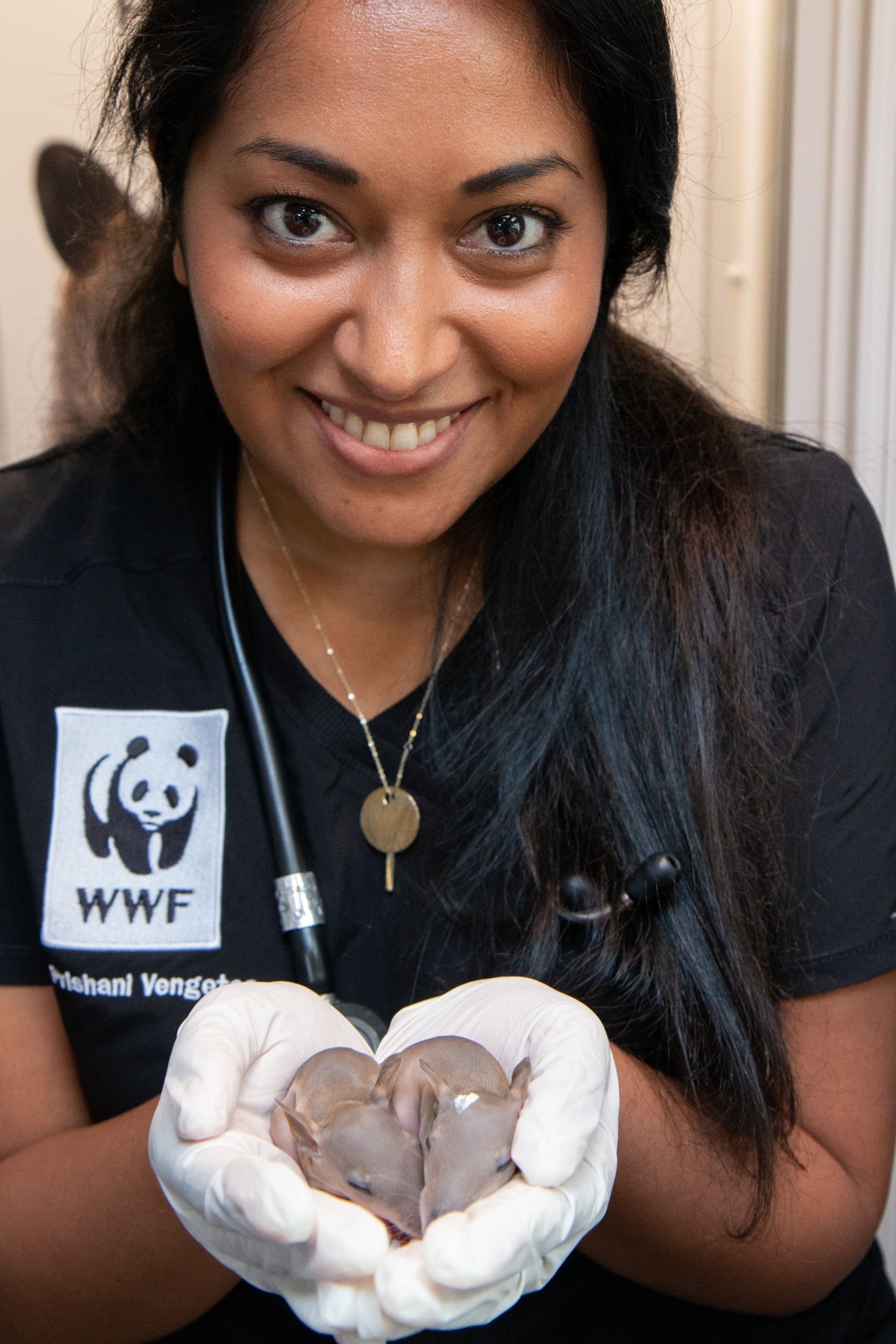
Dr. Prishani Vengetas is a Conservation Veterinarian with over 15 years of experience in animal health. Prishani graduated from the University of Sydney in 2010 and holds a Masters in Veterinary Conservation Medicine. She has a strong background in wildlife health care and emergency response from trafficking and natural disasters and has managed a broad range of initiatives from a local projects to national and regional wildlife health and conservation programs. Prishani is currently the WWF Global lead on One Health and coordinates a Taskforce of 40+ members across multiple disciplines and countries, supporting a One Health approach to conservation through a variety of efforts including early warning systems, preventive medicine programs, sustainable livestock management, and behavioural education/awareness. She lead the WWF delegation on One Health at CBD COP16, contributing to negotiations on the Global Action Plan on Biodiversity and Health, and the Pandemic Agreement. Prishani is deeply committed to leveraging her expertise to drive meaningful change for the health of shared ecosystems, wildlife, Indigenous People and Local Communities.
Dr. Daan Vink, Veterinary epidemiologist
Dr. Daan Vink is a veterinary epidemiologist with strong expertise in health surveillance, biosecurity, risk analysis and epidemic preparedness and response. He has worked in the NGO sector, academia, consultancy and public-sector veterinary services. He further specialises in the management, operation and evaluation of complex multi-stakeholder and multi-sector projects and partnerships.
Dr. Laure Weber-Vintzel, Senior Livestock Specialist at the World Bank Group
Dr. Laure Weber-Vintzel is a Senior Livestock Specialist at the World Bank Group, where she provides technical support on sustainable livestock and One Health-related analytics and operations. Veterinarian with a master’s in animal production, she spent 17 years with the World Organisation for Animal Health (WOAH), before joining the World Bank, working in various positions both in Headquarters and Southeast Asia.
Her expertise includes animal health, surveillance and information systems, control and eradication strategy of transboundary animal diseases, AMR, crisis management, international standards setting, implementation and monitoring, evaluation of health systems, and of course One Health.
Dr. Philippe Weissenberg Anaboli, Veterinarian and public health professional

Dr. Philippe Weissenberg Anaboli is a veterinarian and public health professional driven by his commitment to bridging the gap between field realities and policy, with experience spanning advocacy, research, and policymaking. His interests lie in pandemic preparedness and response, with a focus on community-level zoonotic disease control, health system strengthening, and surveillance, elements reflected in his research and his Policy Officer role for the European Commission’s Health Emergency Preparedness and Response Authority (DG HERA).
As a current Board Trustee of the International Student One Health Alliance (ISOHA), he has led educational capacity-building initiatives and global advocacy efforts to integrate One Health principles into broader policy frameworks. With a multidisciplinary background and field research experience on the Ebola response with local stakeholders, he also designed a One Health training for community-level medical professionals at the WHO Collaborating Centre for Public Health Training & Education, bringing a practical perspective to translating scientific evidence and field realities into sustainable, inclusive policies.
Philippe holds a Master of Public Health from Imperial College London, a Diploma in Veterinary Medicine from the Ludwig Maximilian University of Munich, and a postgraduate One Health Certification from the University of Copenhagen, with academic and professional experience across 9 countries.
Dr. Tu Tu Zaw Win, Veterinary epidemiologist with a focus on the One Health approach, CIRAD
Dr. Tu Tu Zaw Win is a veterinary epidemiologist with a focus on the One Health approach, specializing in zoonotic diseases and their transmission dynamics. She is a researcher at the Centre de coopération internationale en recherche agronomique pour le développement (CIRAD), where she collaborates on research to enhance understanding of the interactions between animals, humans, and the environment. Her research interests center on identifying the key drivers of disease spread and utilizing epidemiological tools to assess risks and develop strategies aimed at reducing the impact of infectious diseases on both animal and human populations. With experience in government, academia, and research, she has developed a diverse skill set that informs her collaborative work. She has contributed to policy development, collaborated with academic institutions on research and teaching, and conducted studies on zoonotic and animal diseases.