PREZODE co-organized a side event with FAO, the Joint FAO/IAEA Centre, and Heifer International. Bringing together experts, community representatives, and decision-makers, the discussion showcased countries’ experiences and initiatives, highlighted the need for investable solutions, and demonstrated how the sustainable transformation of agrifood systems can help prevent zoonotic spillover.
From 21 to 23 September 2026, the FAO Global Conference for Actions on One Health in Agrifood Systems will provide a crucial platform for discussion and engagement with global, regional, and national stakeholders. Building on the One Health in Agrifood Systems Framework and other global initiatives, the conference highlighted the added value of applying the One Health approach to strengthen agrifood systems by integrating the health of people, animals, plants, and environments in both rural and urban settings.
Linking agrifood systems and zoonosis prevention
Agrifood systems are a powerful entry point for the primary prevention of emerging diseases of animal origin. Sustainable agricultural practices, ecosystem conservation, biodiversity protection, agroecological approaches, responsible livestock production, and resilient food value chains can substantially reduce the drivers of zoonotic spillover while generating multiple co-benefits for food security, livelihoods, biodiversity conservation, and climate resilience. Reducing zoonotic risk requires integrated and transformative approaches that address the structural drivers of emergence and embed prevention into equity.
PREZODE, through its pillars and multidisciplinary network, supports the co-development and implementation of these upstream prevention strategies alongside governments, researchers, communities, and international partners. In this respect, PREZODE’s mission is closely aligned with the efforts of the Food and Agriculture Organization of the United Nations (FAO) and the International Atomic Energy Agency (IAEA) — through the Joint FAO/IAEA Centre of Nuclear Techniques in Food and Agriculture (Joint FAO/IAEA Centre) — to advance One Health and accelerate the transformation of agrifood systems worldwide.
Concrete transformative initiatives and countries’ experiences
On 22 September, PREZODE co-organized a side event with FAO, the Joint FAO/IAEA Centre, IAEA’s Zoonotic Disease Integrated Action (ZODIAC), and Heifer International on the theme “Transforming Agrifood Systems to Prevent Zoonotic Spillover at Source.” The meeting presented concrete transformative initiatives, showcase countries’ experiences, highlight the need for investable solutions, and demonstrate how the sustainable transformation of agrifood systems can help prevent zoonotic spillover at source — while delivering co-benefits for food security, biodiversity conservation, climate resilience, and sustainable development.
Speakers
Opening remarks
Mr. Ousmane Diagne, Minister-Delegate to the Minister of Agriculture, Food Sovereignty and Livestock, in charge of Livestock, in Senegal, was represented by Ambassador Ngor Ndiyae.
Mr. Ousmane Diagne is Minister-Delegate to the Minister of Agriculture, Food Sovereignty and Livestock, in charge of Livestock, in Senegal.
A lawyer by training and a professional of judicial administration, he has more than eighteen years of experience within court registries and the administration of jurisdictions. His career took him from the First Investigating Chamber of the Regional Court of Ziguinchor (2006–2009) to the Office of the President of the Departmental Court of Thiès (2009–2020), before he assumed leadership of the court registry of the Departmental Court of Tivaouane (2022–2024). Since 2024, he has been training as a Registry Administrator at the Court of Appeal of Thiès, in preparation for senior management duties.
His commitment extends well beyond his professional life. Elected Mayor of the Commune of Thiès-Est and Deputy Mayor of the City of Thiès in 2022, he had previously served as a municipal councillor from 2014 to 2022. A long-standing trade unionist, he has been Deputy Secretary General of the UNSAS since 2012 and led the Union of Justice Workers (SYTJUST) from 2009 to 2014.
A man of the field, he has also chaired several community and student organizations, from the ASC Defar Hersent to the Student Association of the Faculty of Law. Leadership, rigor and a strong sense of public service sum up a career entirely devoted to institutional and community development.

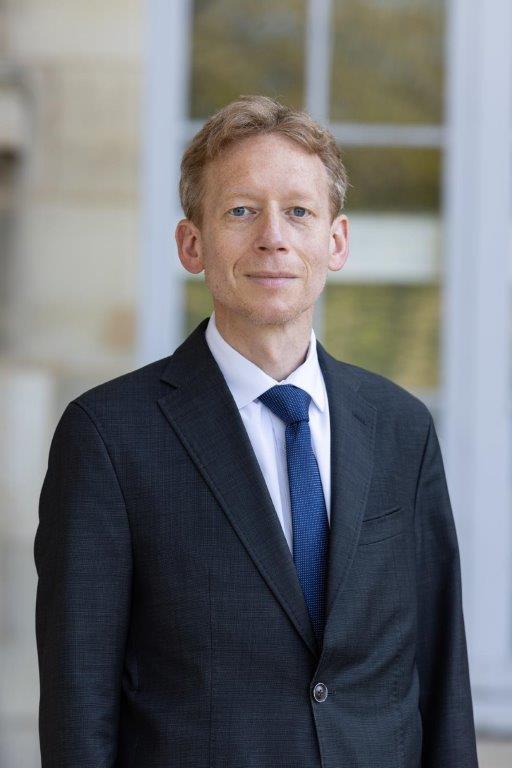
M. Tanguy Stehelin, Ambassador, Permanent Representative to the United Nations in Rome.
M. Tanguy Stehelin took office on 29 April 2025. A career diplomat, he has held numerous multilateral and legal positions.
He joined the Foreign Affairs Ministry in 2005, in the Legal Affairs Directorate, where he was legal adviser at the international public law department responsible for international humanitarian law/UN issues (Middle East)/industrial, defence and nuclear issues.
From July 2009 to December 2010, he was seconded to the Ministry of the Economy and Finance as chargé d’affaires (Réseau Ferré de France, Air-France/KLM), at the French Government Shareholding Agency (APE), responsible for defining shareholder state policy in public-owned companies, and the asset management of state holdings.
From December 2010 to September 2014, he was head of the transport operators office – APE rail sector (Air-France/KLM, SNCF, RATP, RFF, SNCM). He was a member of the board of directors of RFF, and of the supervisory board of SNCM and the ARTE European Economic Interest Grouping.
In October 2014, he re-joined the French Foreign Ministry until December 2016, holding the position of legal adviser, head of the human rights/elections/Francophonie/UN reform unit at the Permanent Representation of France to the United Nations in New York. During that period, he was legal adviser during the Paris Climate Conference (COP21) to the Minister of Foreign Affairs and COP President, Mr Laurent Fabius.
From January 2017 to October 2019, he was personal adviser to United Nations Secretary-General, Mr António Guterres, at the United Nations Secretariat in New York.
From October 2019 to April 2025, he was Deputy Director for European Affairs within the Legal Affairs Directorate at the Ministry for Europe and Foreign Affairs. In March 2023, he was Head of the French delegation for the conclusion of the UN Biodiversity Beyond National Jurisdiction (BBNJ) Agreement.
In parallel with his professional activities, he was auditor at the Diplomatic Institute’s College of Advanced Studies (CHEID) (2019-2020 cycle).
Tanguy Stehelin is a graduate of ESCP Business School (1999), Paris Institute of Political Studies (Sciences Po) (2002) and the French National School of Public Administration (ENA) (“Romain Gary” year, 2005). He is also a graduate of Paris X Nanterre University (master’s in general private law) and holds a bachelor’s degree in philosophy from the University of Paris IV Sorbonne.
Dr. Thanawat Tiensin, Assistant Director-General, Chief Veterinarian, and Director of the Animal Production and Health Division at FAO
Dr. Thanawat Tiensin is the Assistant Director-General, Chief Veterinarian, and Director of the Animal Production and Health Division at FAO, leading global efforts on animal health, production, and One Health. He previously served as Minister (Agriculture) and Thailand’s Permanent Representative to the UN Agencies in Rome (2018-2022) and chaired key FAO bodies, including the Committee on World Food Security. With extensive experience in international livestock policy, food security, and zoonotic disease prevention, apart from FAO, he has worked with key international agencies like IAEA, EU, ADB, and WOAH to strengthen One Health approaches across multiple countries.
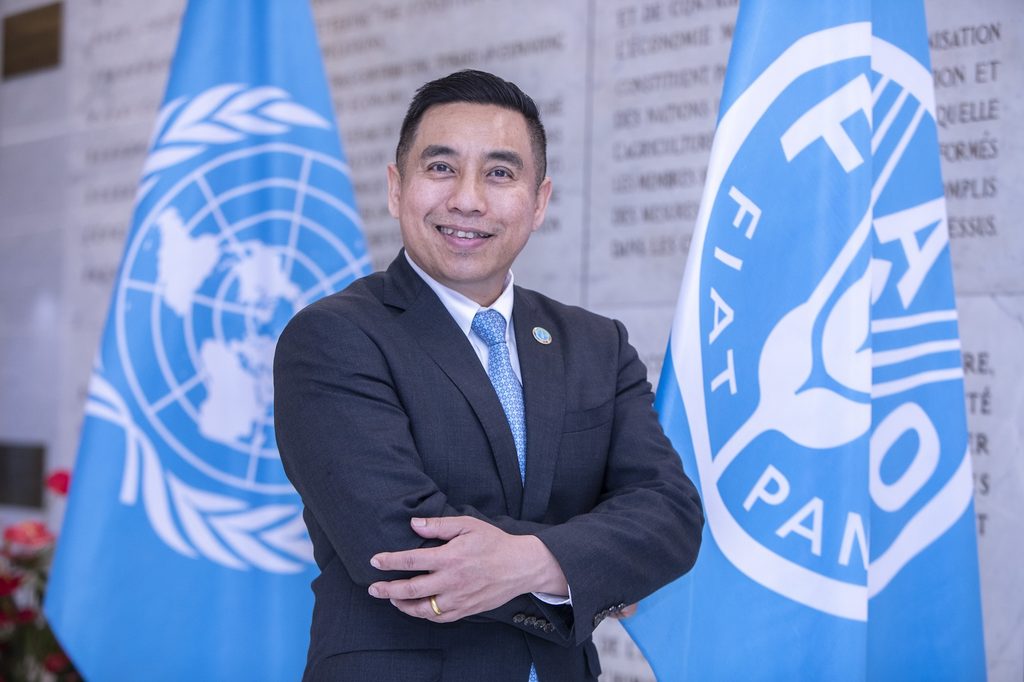 ©FAO/Giulio Napolitano.
Country Case Studies
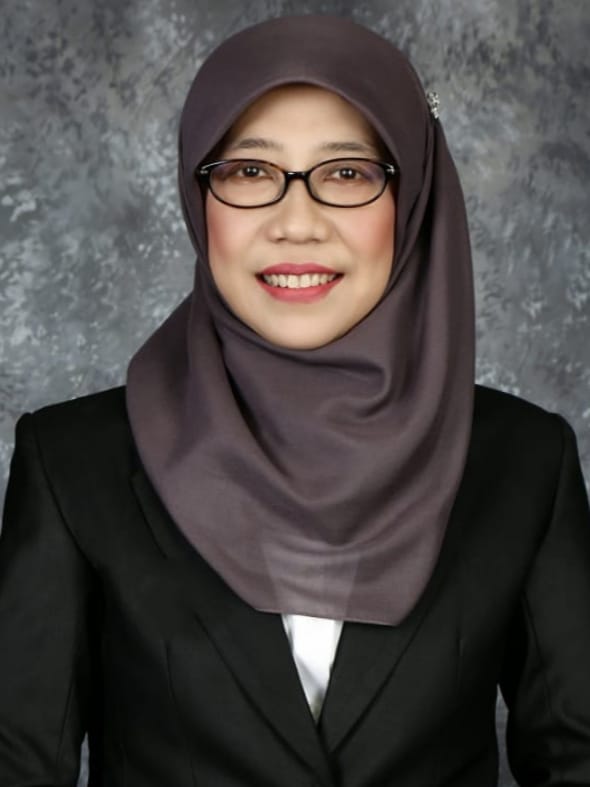
Prof. Dr. Ni Luh Putu Indi Dharmayanti, Chairman of Research Organization for Health, National Research and Innovation Agency (BRIN), Indonesia.
Prof. Dr. Ni Luh Putu Indi Dharmayanti, DVM, M.Si. is the Chairman of the Research Organization for Health at Indonesia’s National Research and Innovation Agency (BRIN), where she leads the country’s largest government health research organization, coordinating multidisciplinary research in biomedical sciences, pre-clinical and clinical medicine, molecular biology, public health and nutrition, vaccines and drug, pharmaceuticals ingredient and traditional medicine, and veterinary sciences. She is a senior virologist with more than two decades of experience in emerging and re-emerging infectious diseases, zoonoses, molecular biology, genomics, and vaccinology.
She earned her Doctorate in Biomedical Sciences from the University of Indonesia, a Master’s degree in Biotechnology from Gadjah Mada University, and a DVM degree from Airlangga University Throughout her career, she has authored more than 180 peer-reviewed scientific publications, holds 15 patents, one trade secret, five copyrights, and has written 11 books in the fields of infectious diseases and biotechnology.
Prof. Dharmayanti has led and coordinated numerous international collaborative research programmes on pandemic preparedness and One Health. Her leadership includes Indonesia’s Pandemic Fund project on strengthening laboratory capacity and research innovation for One Health surveillance, the IAEA ZODIAC programme as Indonesia’s National Coordinator, avian influenza surveillance projects with the IAEA and other project, wastewater-based epidemiology collaborations with JICA and the e-ASIA Joint Research Program, and zoonotic disease research with NIH, ACIAR, and leading universities in Japan and other countries.
She currently serves as a member of Indonesia’s delegation to the WHO Intergovernmental Working Group on the Pandemic Agreement. as a WHO Temporary Advisor on shaping research and development ecosystems for public health in the Western Pacific Region. She is also actively involved in regional initiatives including the Asia Pacific Infectious Diseases, ASEAN health collaborations, and global One Health partnerships and others
Her research focuses on strengthening pandemic preparedness through One Health surveillance, genomic pathogen surveillance, zoonotic disease prevention, antimicrobial resistance, influenza viruses, Nipah virus, Japanese encephalitis, and other emerging infectious diseases at the human–animal–environment interface. She is committed to translating research and innovation into evidence-based policies that enhance national, regional, and global health resilience.
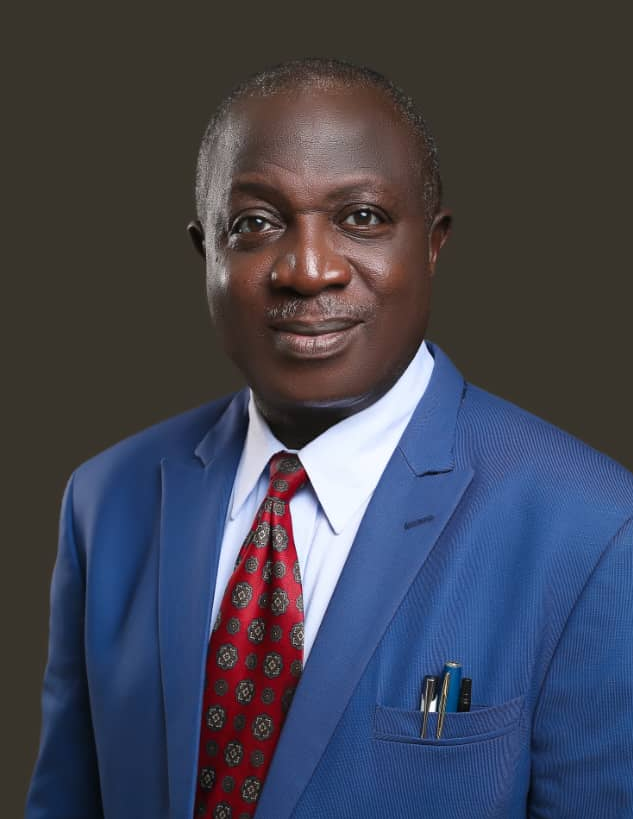
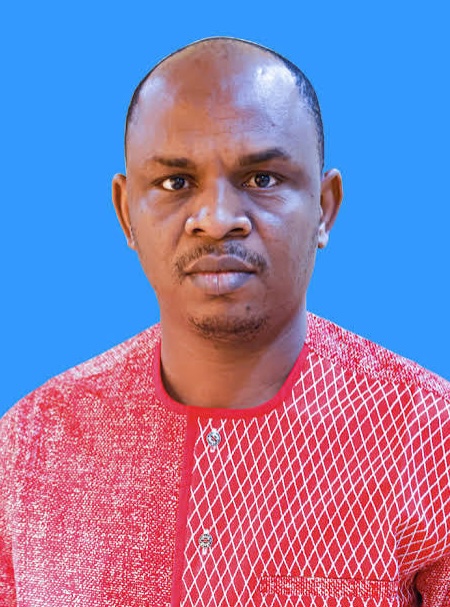
Dr. Samuel Akawu Anzaku, Chief Veterinary Officer of Nigeria. Director, Veterinary Public Health. Veterinary Public Health Specialist, Nigeria.
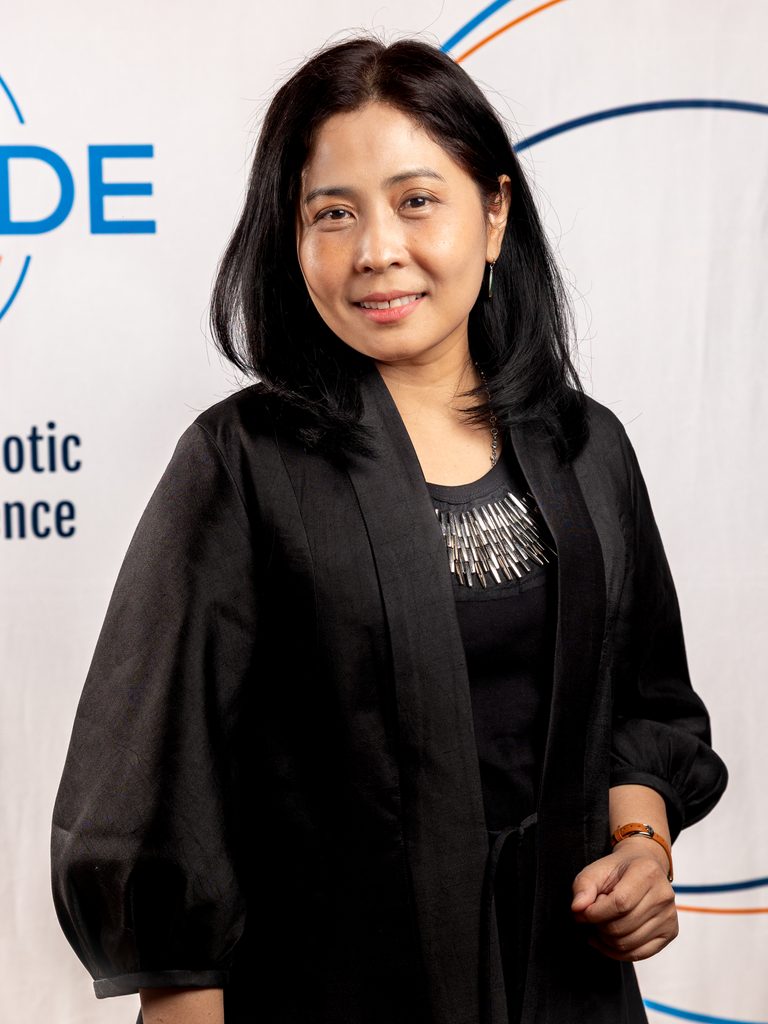
Dr. Soawapak Hinjoy, Ministry of Public Health of Thailand, President of the PREZODE General Assembly, Principal Investigator of the PREZODE project ASAMCO.
Dr Soawapak Hinjoy, DVM, MSc, MPH, is the Director of the Office of International Cooperation, Department of Disease Control, Ministry of Public Health of Thailand. She serves also on the Scientific Advisory Committee of the School of Global Health in the Faculty of Medicine of Chulalongkorn University, as an academic advisor of the Field Epidemiology Training Program, as a member of the committee on Centers of Rabies Control and Prevention in Thailand, and of the local committee of International Health Regulation. She has been a speaker in various international programs.
Previously, Dr Soawapak Hinjoy was the Chief of the Communicable Disease Surveillance Section, Division of Epidemiology, after having held the position of principal investigator on the One Health Phase II Project.
She is enthusiastic about developing collaborations in public health research on zoonotic diseases, emerging and re-emerging infectious under a conceptual One Health concept in Thailand and at the international level. She also serves as national coordinator of ASEAN Health Cluster 2 and MBDS network and chief of Thailand GHSA coordinating unit, developing effective public health control and prevention strategies with a perspective of global health security.
A Doctor of Veterinary Medicine, Dr Soawapak Hinjoy holds a Doctorate in Public Health (Epidemiology) from the Johns Hopkins Bloomberg School of Public Health. She also holds a Master of Public Health from Tulane University and a Master of Science (Veterinary Public Health) from Chulalongkorn University.
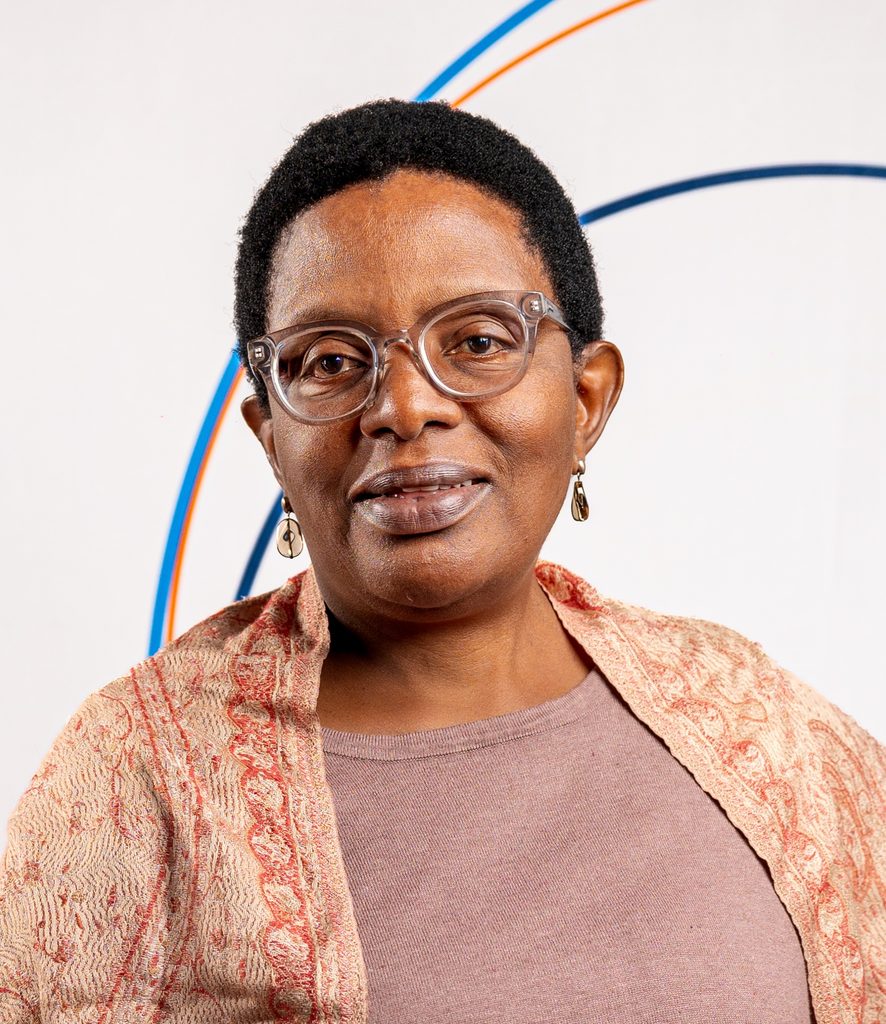
Pr. Prisca Mugabe, Associate Professor in Livestock Sciences and Deputy Dean of the Faculty of Agriculture, Environment and Food System, University of Zimbabwe.
Prisca Mugabe has broad experience in university teaching, research, and community outreach. She has contributed to the teaching and development of numerous undergraduate and graduate rangeland-related courses. Her research has mainly been in rangelands utilization, management, monitoring, and improvement, land reform impacts on natural resources management, climate change adaptation, and sustainable livelihood systems on rangeland socio-ecological systems, including transfrontier conservation areas.
Prisca has worked as Deputy Director of the Institute of Environmental Studies, at the University of Zimbabwe; Head of the Department of Animal Science (UZ); Lecturer, Rangeland Ecology and Animal Production, as well as Livestock and Pasture Extension Specialist, in the Department of Agricultural Technical and Extension Services in Zimbabwe.
Prisca Mugabe has notably worked, with the Research Platform Production and Conservation in Partnership and is currently a co-coordinator. Prisca was the coordinator of the Sengwe site of the “Promoting Sustainable Livelihoods in Transfrontier Conservation Areas” (ProSuLi) and is co-Principal Investigator of Capacitating One Health in Eastern and Southern Africa (COHESA-Zimbabwe). She is currently a Board Member of the Zimbabwe Parks and Wildlife Management Authority.
Prisca has served as an expert reviewer of the United Nations Environment Program (UNEP) Global Environment Outlook (Cities and Biodiversity) and the Resilient Africa Network Southern Africa Resilience Innovation lab Challenge Call. She has served as an external examiner for many Southern African Universities including the University of Fort Hare; the University of Western Cape and the University of Pretoria; and a resource person for Global Environmental Facility and the UNESCO Man and the Biosphere Programme National Committee.
Prisca Mugabe holds a D.Phil., Rangeland Ecology and Management, Texas A&M University, USA, MSc., Grassland Science, University of Reading, UK; BSc. In Agriculture Animal Science, University of Zimbabwe.
Prisca is a member of the Region’s College of the Steering Committee, representing Africa.
Moderation
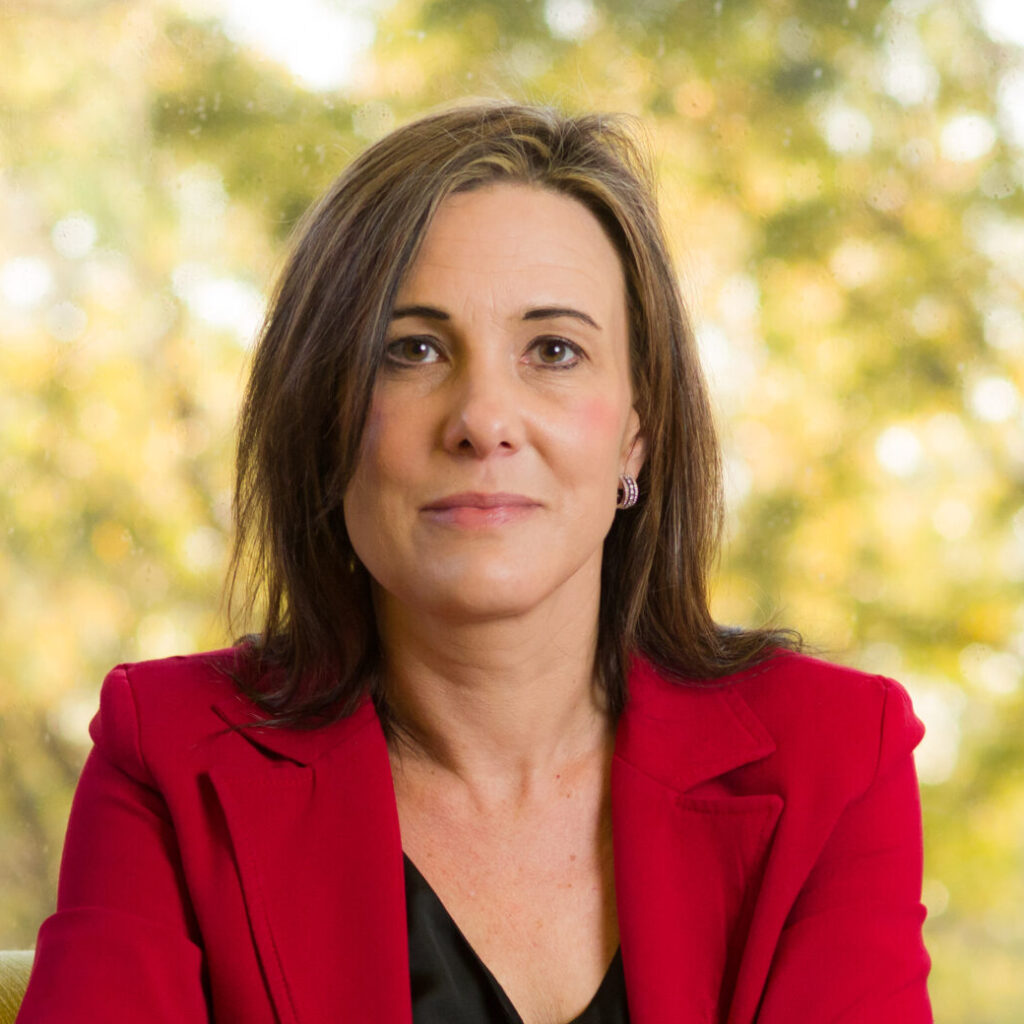
Professor Wanda Markotter, Interim Director and Research Chair: People, Health, and Places (One Health) at Future Africa, University of Pretoria, South Africa.
Professor Wanda Markotter is the Interim Director and Research Chair: People, Health, and Places (One Health) at Future Africa, University of Pretoria, South Africa. She also serves as Director of the Centre for Viral Zoonoses (UP-CVZ) in the Faculty of Health Sciences and holds the DSTI-NRF South African Research Chair in Infectious Diseases of Animals (Zoonoses). Her interdisciplinary research focuses on bat pathogens and predicting and preventing spillover risks in Africa. Prof Markotter is Co-Chair of the One Health High-Level Expert Panel (OHHLEP), advising the WHO, WOAH, FAO, and UNEP and part of The Lancet Commission on Prevention of Spillover. Outputs include over 100 publications, keynote presentations at prominent international conferences, several popular press and education contributions and articles, and appearances on radio and television. She contributes significantly to capacity building; more than 75 post-graduate students have graduated under her supervision
Reality and Policy Dialogue
Dr. Amadou Dicko, Deputy Minister of State for Agriculture, Burkina Faso.
A veterinarian by training, Dr Amadou DICKO holds a Doctorate in Veterinary Medicine and a Master’s degree in Medical Information. He began his career in 2013 at the Directorate-General of Veterinary Services within the Ministry of Animal Resources, before joining the Ministry of Health, where he worked at the National Institute of Public Health (successively at the Centre Muraz and then at the Central Reference Laboratory). This background has made him a professional strongly oriented towards integrative approaches to public health challenges. Appointed Deputy Minister for Animal Resources in 2023, Dr Amadou DICKO is a member of the Technical Steering Committee of Burkina Faso’s National One Health Coordination Platform. In this capacity, his contribution was decisive in Burkina Faso’s successful participation in the first call for proposals under the Pandemic Fund.
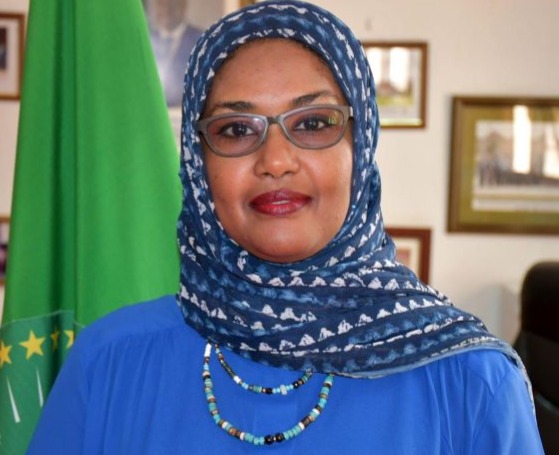
Dr. Huyam Salih, Director, AU-IBAR, Sudan.
Current Director of African Union-InterAfrican Bureau for Animal Resources (AU-IBAR), since August 2023. Sudanese Veterinary epidemiologist with more than 20 years of extensive and diversified experience in managing, planning, and leading for livestock development using animal health interventions, disease risk assessment and prevention in Livestock value chains at national, regional and global levels.
Worked in positions that aim to maintain the One Health, ensure livestock trade` compliance with international sanitary and phyto-sanitary (SPS) measures, and expand livestock value chains for small holder producers through P-PPPs, while serving Gov of Sudan, IFAD projects, FAO HQ & AUC.
Dr. Keshav Prasad Sah, Program Director, Heifer International Nepal.
Dr. Keshav Sah is a distinguished Nepali veterinarian, Fulbright Scholar, and development professional with twenty-five years of extensive experience spanning public veterinary services, international research, and strategic leadership within the livestock sector. He commenced his career in the public sector as a government Veterinary Officer, spearheading epidemiological data collection, disease diagnostic and surveillance programs, and orchestrating comprehensive public health and zoonotic awareness campaigns.
Transitioning to international development, Dr. Sah assumed the role of Associate Director of Livestock Technology and One Health at Heifer International Nepal, where he catalyzed the adoption of innovative agricultural technologies across the livestock value chain while advancing robust One Health frameworks centered on biosecurity, zoonotic disease mitigation, and smallholder resilience. Demonstrating exceptional project management acumen, he has successfully led numerous multidisciplinary action research initiatives involving governmental bodies, international academic institutions, private enterprises, and international non-governmental organizations, backed by major global donors such as USAID, the World Bank, GALVmed, JVN, and AGCO. His scholarly contributions include numerous peer-reviewed publications and active engagements in international forums addressing food safety, disease management, and value chain optimization. Currently, Dr. Sah serves as the Program Director for the Transforming Dairy Sector of Nepal (“The Milky Way” Signature Program), where he provides executive leadership and comprehensive management for nationwide dairy sector transformation.
Dr. Theophilus Odoom, Deputy Chief Veterinary Officer, Accra Veterinary Laboratory, Ghana.
Theophilus Odoom is a veterinarian with a DVM from the Agraria University of Havana, Cuba, an MSc in Veterinary Diagnostic Pathology from the University of Queensland, Australia, and a PhD in One Health from the Kwame Nkrumah University of Science and Technology, Ghana. He heads the Accra Veterinary Laboratory and serves as Deputy Chief Veterinary Officer at the Veterinary Services Directorate, Ghana, overseeing diagnostic testing for transboundary animal diseases, policy formulation, technology transfer, and training of veterinary and animal health professionals. He is Ghana’s WOAH laboratory focal point, a member of the Pandemic Fund Laboratory and One Health Technical Working Groups, and a part-time lecturer at the School of Veterinary Medicine, University of Ghana.
Dr. Odoom research focuses on emerging and re-emerging zoonotic pathogens (such as Marburg, RVF, avian influenza, Crimean-Congo hemorrhagic fever, and mpox) and also develops diagnostic tools such as immunofluorescence assays (IFAs) for detecting these pathogens. He currently holds an IAEA CRP titled “Enhancing preparedness for the detection and control of emerging and re-emerging zoonotic diseases – ZODIAC in Africa. He’s served as VETLAB director for Ghana since 2020 and has actively participated in all VETLAB meetings. His other ongoing research projects include enhancement of antiviral T-cell responses for improved control of viral infection using avian influenza as a model study and evaluation of oral aggregate fluid for early detection of African swine fever virus infection
Audience Interaction & Collective Reflections
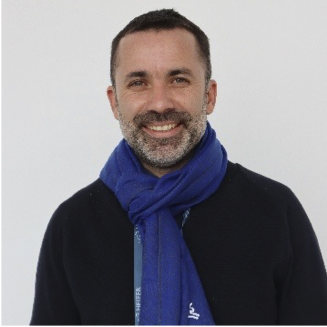
Mr. Fabrice Carbonne, Senior Director, Business Development & Partnerships (Asia)
Heifer International, France.
Fabrice Carbonne is a development professional with over 20 years of experience designing and leading programs in food security, sustainable agriculture, and rural livelihoods across Asia, Africa, and Latin America. Since 2021, he has served as Senior Director of Business Development and Partnerships for Asia at Heifer International, where he works with country teams in Nepal, India, Bangladesh, and Cambodia to expand access to institutional and private funding, forge strategic alliances, and co-design impactful, locally-led programs that promote regenerative agriculture, resilient food systems, and inclusive livestock value chains. For the last 6 years, he has been based in Europe to strengthen relationships with Europe-based institutions, donors, and strategic partners in support of Heifer International’s mission.
Before joining Heifer International, Fabrice held leadership roles within the United Nations and international NGOs, including as Head of the Regional Coordination Unit at OCHA in West and Central Africa, and Country Director for Action Against Hunger in Haiti, Indonesia, and Senegal. His early career focused on humanitarian response and crisis-affected communities, where he developed on the ground an expertise in linking relief to development with a strong emphasis on livelihoods, women’s empowerment, and community resilience (Sri Lanka, Colombia, DRCongo).
Fabrice has a deep commitment to transforming food systems in a way that secures sustainable living incomes for smallholder farmers, protects ecosystems, and supports youth and women as drivers of rural innovation. His current work explores innovative financing models, including blended finance and carbon markets, to enable holistic, scalable development solutions.
A French national, Fabrice holds a Master’s in International Cooperation from the Sorbonne Nouvelle (IHEAL) and a degree in Political Science / International relations from Sciences Po Aix (France). He recently completed executive education on Business Sustainability Management and Sustainable Food System at the Cambridge Institute for Sustainable Leadership.
Closing Remarks
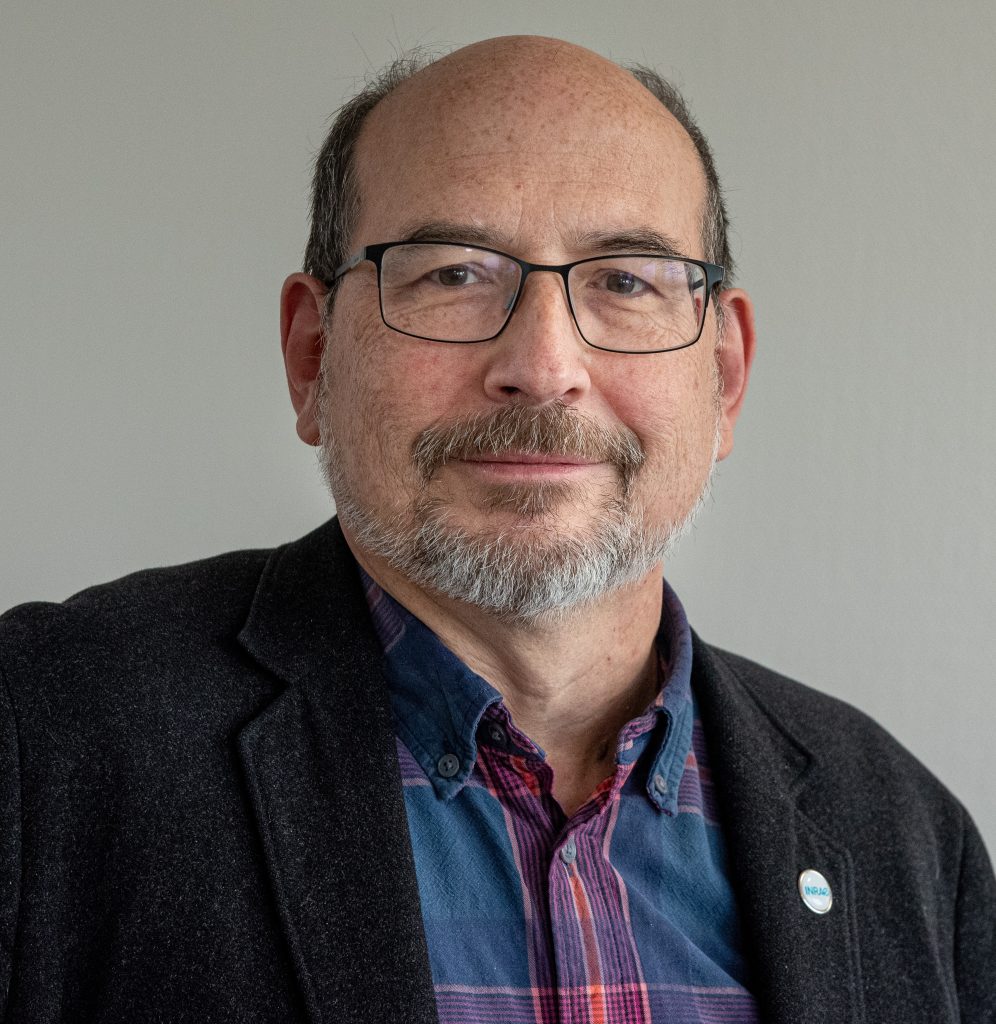
Dr. Thierry Caquet, INRAE Vice President and PREZODE Executive Committee Member, France.
Dr. Thierry Caquet is the Vice-President in charge of international policy at INRAE, and serves PREZODE as a Member of the ExCom. He received his PhD and HDR in ecology at Université Paris-Sud Orsay (now Université Paris-Saclay).
After ten years of teaching ecology and ecotoxicology, he joined INRA in 2001. He served as head of the Ecology Research Division of INRA from 2013 to 2017. He simultaneously coordinated the INRA metaprogram on the adaptation of agriculture and forests to climate change. In 2017, he joined the Management Board of INRA (now INRAE) as Scientific Director for Environment to coordinate the activities of the institute regarding agroecology, biodiversity, climate change mitigation and adaptation, environmental risks and the sustainable management of natural resources (especially water and soils). In January 2025, he was appointed as Vice-President in charge of international policy at INRAE.
He is Chair of the Board of Directors of PEER (Partnership for European Environmental Research) network. He serves in the Council of Alternet European Association and of the French Foundation for Research on Biodiversity.
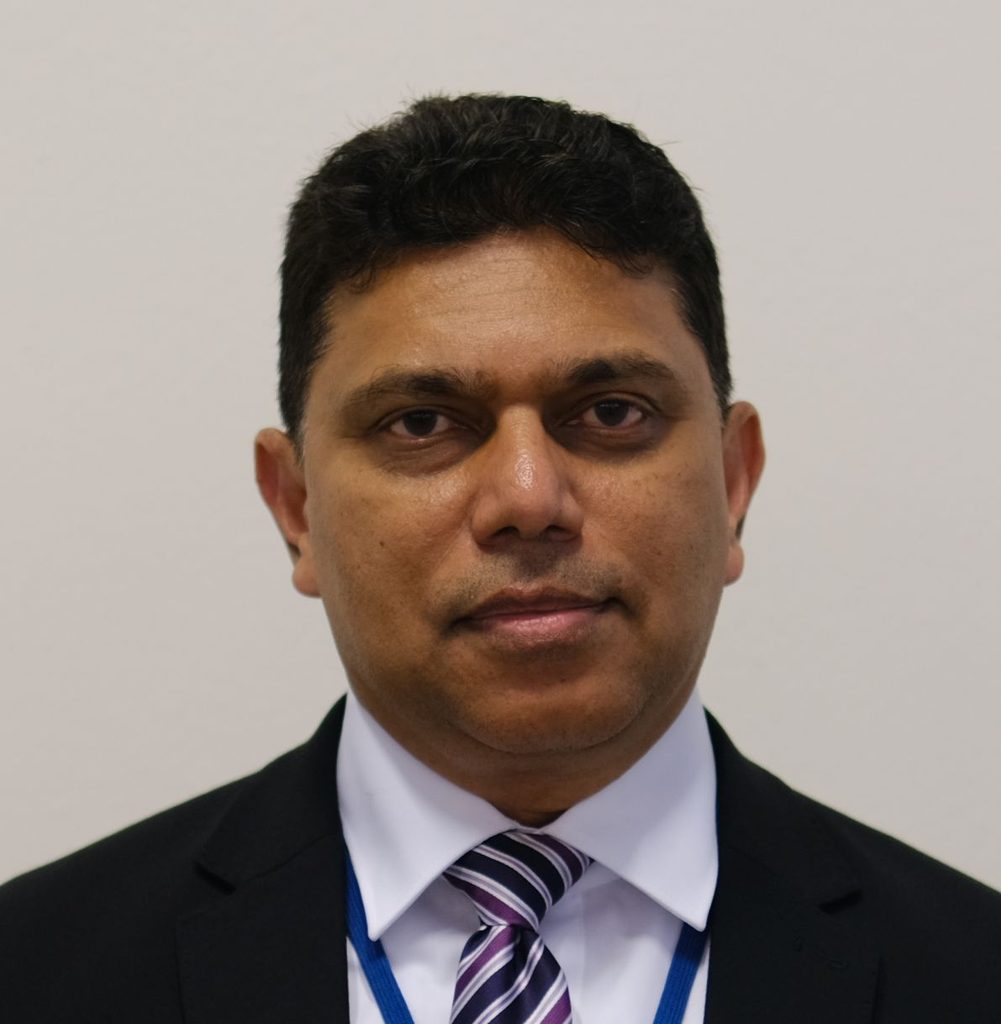
Dr. Viskam Wijewardana, Laboratory Head, Animal Production and Health Laboratory of the Joint FAO/IAEA Centre of Nuclear Techniques in Food and Agriculture at the International Atomic Energy Agency, Sri Lanka.
Dr Viskam Wijewardana is Head of the Animal Production and Health Laboratory of the Joint FAO/IAEA Centre of Nuclear Techniques in Food and Agriculture at the International Atomic Energy Agency. A veterinarian and immunologist, he holds a BVSc from the University of Peradeniya, Sri Lanka, and a PhD in Veterinary Immunology from Osaka Prefecture University, Japan. His international research career has included postdoctoral work at the University of Pittsburgh on SIV/HIV immunology and research in Japan on cancer immunotherapy. At the IAEA, his work focuses on animal health, transboundary and zoonotic diseases, veterinary vaccines and the application of nuclear and nuclear-derived technologies. More recently, he has been actively engaged in strengthening the VETLAB Network, advancing veterinary vaccine technologies, addressing AMR and laboratory capacities, and promoting a One Health approach that integrates animal, human and environmental health to address emerging and re-emerging disease threats and strengthen global health and food security.