Acting upstream: investing in prevention where risk begins
On April 6, 2026, PREZODE co-organized a side event at the One Health Summit in Lyon. Bringing together governments, scientific experts, civil society, donors, and international organizations, this high-level exchange made the case for pandemic prevention as a global public good — and explored how One Health approaches can be translated from local practice into multilateral frameworks.
Co-organised by PREZODE and a coalition of international partners: AVSF, FOUR PAWS, ILRI, WCS, The Independent Panel for Pandemic Preparedness and Response, WOAH, and The World Bank, this side event proposed a decisive shift in focus: acting before inter-species transmission occurs.
The event highlighted the health and economic benefits of investing in primary prevention, with a particular emphasis on the role of local communities as the first line of defence. It showcased how locally rooted, co-developed prevention strategies can be scaled up to inform national policies and multilateral frameworks, including preparations for the 2026 High-Level Meeting on Pandemic Prevention, Preparedness and Response.
The event also addressed the persistent financing gap that undermines prevention efforts globally, and called for the recognition of pandemic prevention as a global public good — in line with key recommendations from the Friends of the HLM on PPPR, and building on the major advances achieved through the Pandemic Agreement and the revised International Health Regulations.
PROGRAM
Moderation: Eloïse Todd (rani)
18:30 – Opening Remarks
Philippe Baptiste, French Minister for Higher Education and Research
Soawapak Hinjoy, President, PREZODE
18:40 – Setting the Scene: Bridging Science and Policy for Prevention
Michel Kazatchkine, The Independent Panel for Pandemic Preparedness and Response
Laure Weber, World Bank
Chadia Wannous, World Organization for Animal Health (WOAH)
18:55 – High-Level Dialogue: National Strategies for One Health Prevention
Helen Roberts, United Kingdom
One Health Platform Ambassador, Vietnam
Representative from Indonesia (TBC)
19:20 – One Health in Action: Implementing Frameworks Across Sectors
Marisa Peyre, PREZODE
Chris Walzer, Wildlife Conservation Society (WCS)
Nina Jamal, FOUR PAWS
Flugence Likassi-Bokamba, CEMAC (Communauté économique et monétaire de l’Afrique centrale)
Idrissa Dia, Islamic Development Bank
19:35 – Interactive Exchange with Participants
19:50 – Closing Reflections
Magda Robalo, Institute for Global Health and Development and PREZODE
Rémy Rioux, CEO, Agence Française de Développement (AFD)
20:00 – Networking Cocktail
Co-hosts
- PREZODE
- Friends of the 2026 High-level Meeting on Pandemic Prevention, Preparedness and Response, co-convened by The Independent Panel for Pandemic Preparedness and Response, FOUR PAWS, The Elders and rani
- The World Bank
- The World Animal Health Organization (WOAH)
- The International Livestock Research Institute (ILRI) of the CGIAR
- The Wildlife Conservation Society (WCS)
- Agronomists and Veterinarians Without Borders (AVSF)
MODERATOR
Eloise Todd – Executive Director and Founder, rani
Eloise Todd is the Executive Director and Founder of rani, which coordinates advocacy to build societal resilience to shifts, change, and crisis. An advocacy, policy, campaigns, and strategy specialist, Eloise has over 25 years’ experience working to change policies, legislation and budgets to improve lives. Primarily, she has worked in international development and global health, including as a political adviser within the EU institutions and as Global Policy Director of the ONE Campaign. Eloise campaigned against the U.K.’s Brexit deal, building one of the largest pro-European organisations into a national campaign force. Eloise co-founded Pandemic Action Network with three colleagues in April 2020 and took on the Executive Director role in August 2022 and led the evolution to become rani (Resilience Action Network International) in November 2025. In 2023, Eloise helped launch Resilience Action Network Africa (RANA).
SPEAKERS
Dr. Laure Weber-Vintzel, Senior Livestock Specialist at the World Bank
Dr. Laure Weber-Vintzel is a Senior Livestock Specialist at the World Bank Group, where she provides technical support on sustainable livestock and One Health-related analytics and operations. Veterinarian with a master’s in animal production, she spent 17 years with the World Organisation for Animal Health (WOAH), before joining the World Bank, working in various positions both in Headquarters and Southeast Asia.
Her expertise includes animal health, surveillance and information systems, control and eradication strategy of transboundary animal diseases, AMR, crisis management, international standards setting, implementation and monitoring, evaluation of health systems, and, of course, One Health.
Dr. Soawapak Hinjoy, President of the PREZODE Initiative and Director of the Office of International Cooperation, Department of Disease Control, Ministry of Public Health of Thailand
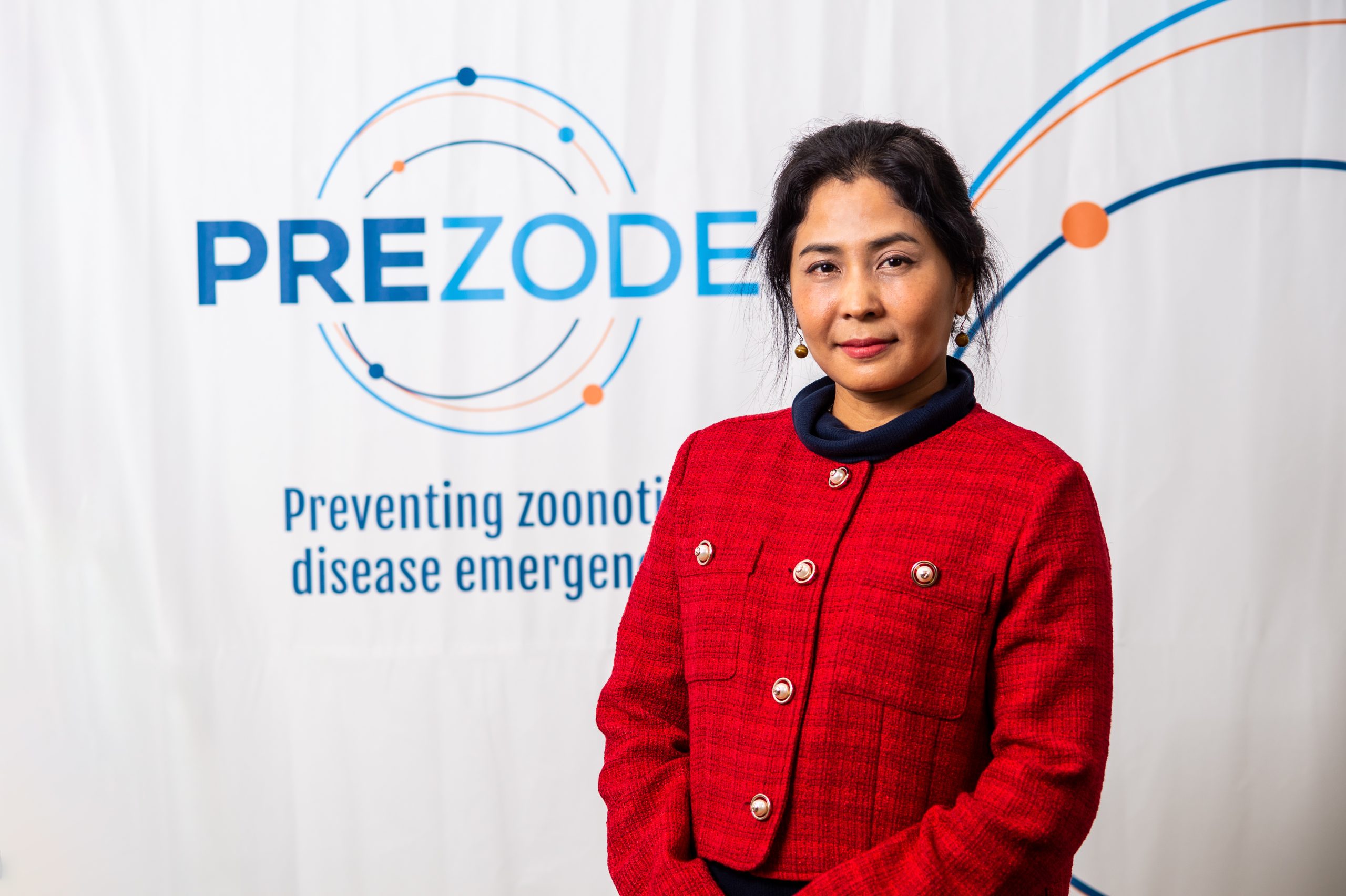
Dr Soawapak Hinjoy is President of PREZODE’s General Assembly and One Health expert from the Ministry of Public Health Thailand. She also serves on the Scientific Advisory Committee of the School of Global Health in the Faculty of Medicine of Chulalongkorn University, as an academic advisor of the Field Epidemiology Training Program, as a member of the Committee on Centers of Rabies Control and Prevention in Thailand, and of the local committee of International Health Regulation. She has been a speaker in various international programs.
Previously, Dr Soawapak Hinjoy was the Chief of the Communicable Disease Surveillance Section, Division of Epidemiology, after having held the position of principal investigator on the One Health Phase II Project.
A Doctor of Veterinary Medicine, Dr Soawapak Hinjoy holds a Doctorate in Public Health (Epidemiology) from the Johns Hopkins Bloomberg School of Public Health. She also holds a Master of Public Health from Tulane University and a Master of Science (Veterinary Public Health) from Chulalongkorn University.
Pr. Michel Kazatchkine, Professor, Member of The Independent Panel for Pandemic Preparedness and Response
Michel Kazatchkine has over 30 years of experience in the fight against AIDS as a physician, researcher, advocate, and diplomat. He is Professor of Immunology at Université René Descartes, Paris, a Senior Fellow with the Global Health Centre of the Graduate Institute of International and Development Studies, and a member of the Global Commission on Drug Policy. He has served as Executive Director of the Global Fund to Fight AIDS, Tuberculosis and Malaria, and as UN Special Envoy on HIV/AIDS in Eastern Europe and Central Asia. In 2020, he was selected by Helen Clark and Ellen Johnson Sirleaf as a Member of The Independent Panel for Pandemic Preparedness and Response, and continues to advocate for reform to the PPPR system.
Dr. Helen Roberts, Senior policy advisor for non-livestock diseases at the Department for Environment, Food and Rural Affairs (DEFRA), United Kingdom

I have a BSc in Zoology and a PhD in Parasitology, both from Imperial College, London. I spent ten years in academia in the UK including field work in Colombia and a secondment in Australia, studying neglected tropical diseases, then several years working for international health NGOs (on human health issues, such as malaria and school children’s health). In 2007 I joined Defra, as part of the National Epidemiology Expert Group for outbreaks in the VLA (now APHA). In 2008 I moved to Defra’s Global Animal Health team (imports section) becoming head of international disease monitoring and risk assessment in 2010. I am currently Defra’s senior policy advisor for non-livestock diseases including wildlife and New Emerging Diseases and science/risk advisor on all exotic animal diseases and exotic zoonoses. I lead a team of research programme managers, covering our £10 million plus annual budget for science research and I am part of a consortium for developing new technology for animal and plants diseases. I lead for animal health horizon scanning and risk assessment across government departments such as the biosecurity programme in Defra, the cross government international natural hazard forward look and the animal health risks in the NSRA. I am chair of the UK Human-Animal Infections and Risk Surveillance group, on the EFSA Animal Health and Welfare Panel and a member of the WOAH Collaborating Centre on Risk Assessment and Modelling and as such have been involved in delivering training on WOAH guidelines for risk assessment and FAO consultancy on animal disease risk in multiple international environments.
Mr. Bioloa Badmos, Global technical lead for agricultural & rural development, Islamic Development Bank
Dr. Biola Kazeem Badmos is a development finance leader with about two decades of experience across multilateral development banking, the public and private sectors, commercial finance, and academia. He combines deep technical expertise with senior leadership responsibilities to shape scalable regional strategies and high‑quality public sector investment programs across Asia, Africa, the Middle East, and other regions. He has a strong record of leading multidisciplinary teams, managing complex country portfolios, engaging senior government counterparts, and strengthening institutional systems to deliver measurable development impact.
As the Lead Global Rural Development Specialist at the Islamic Development Bank (IsDB), Dr. Badmos drives transformative programs across agriculture, water resources, and rural development. He provides strategic direction for flagship initiatives that integrate climate resilience, food systems transformation, and rural livelihoods. He also leads the IsDB’s flagship Livestock Resilience Program Initiative, guiding efforts to strengthen livestock systems and enhance climate resilience across member countries.
A respected voice in global development, Dr. Badmos contributes to the international knowledge agenda through his scholarly and thought‑leadership work on climate resilience, land and water systems, rural infrastructure, and food security. He holds a PhD in Climate Change and Land Use, a strong background in natural resources management and agriculture, and is a certified Project Management Professional (PMP). He is widely recognized for delivering evidence‑driven solutions that strengthen systems and improve rural livelihoods.
Mr. Fulgence Likassi-Bokamba , Commissioner of the Department of Education, Research and Social Development, responsible for Human Rights and Good Governance at CEMAC (Economic and Monetary Community of Central Africa)
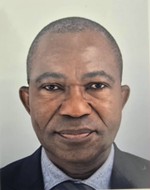
Graduate of the National School of Administration in Algiers and the National School of Public Administration in Rabat, Fulgence LIKASSI-BOKAMBA served as a lecturer for about ten years at the National School of Administration and the Judiciary, Marien Ngouabi University in Brazzaville.
Invited to participate in the reform of the Coordination Organization for the Fight against Endemic Diseases in Central Africa (OCEAC) in 2003, he subsequently held various management positions within this organization, which is a specialized CEMAC institution in the field of human health and which at that time had two operational units: the Inter-State Center for Higher Education in Public Health in Central Africa (CIESPAC) and the Yaoundé Research Institute (IRY). At this institute, both basic and applied research are conducted.
Since June 2023, Mr. Fulgence LIKASSI-BOKAMBA has served as Commissioner of the Department of Education, Research, and Social Development, responsible for Human Rights and Good Governance at the CEMAC Commission. In this capacity, he is responsible for health issues at the CEMAC Commission. Having secured the adoption of the first subregional health security strategic plan for the CEMAC Zone based on the “One Health” approach, he currently oversees the Central African component of the “Health Security Program in West and Central Africa,” funded by the World Bank.
Dr.Magda Robalo, President of the Institute for Global Health Development Guinea-Bissau and Member of PREZODE Steering Committee
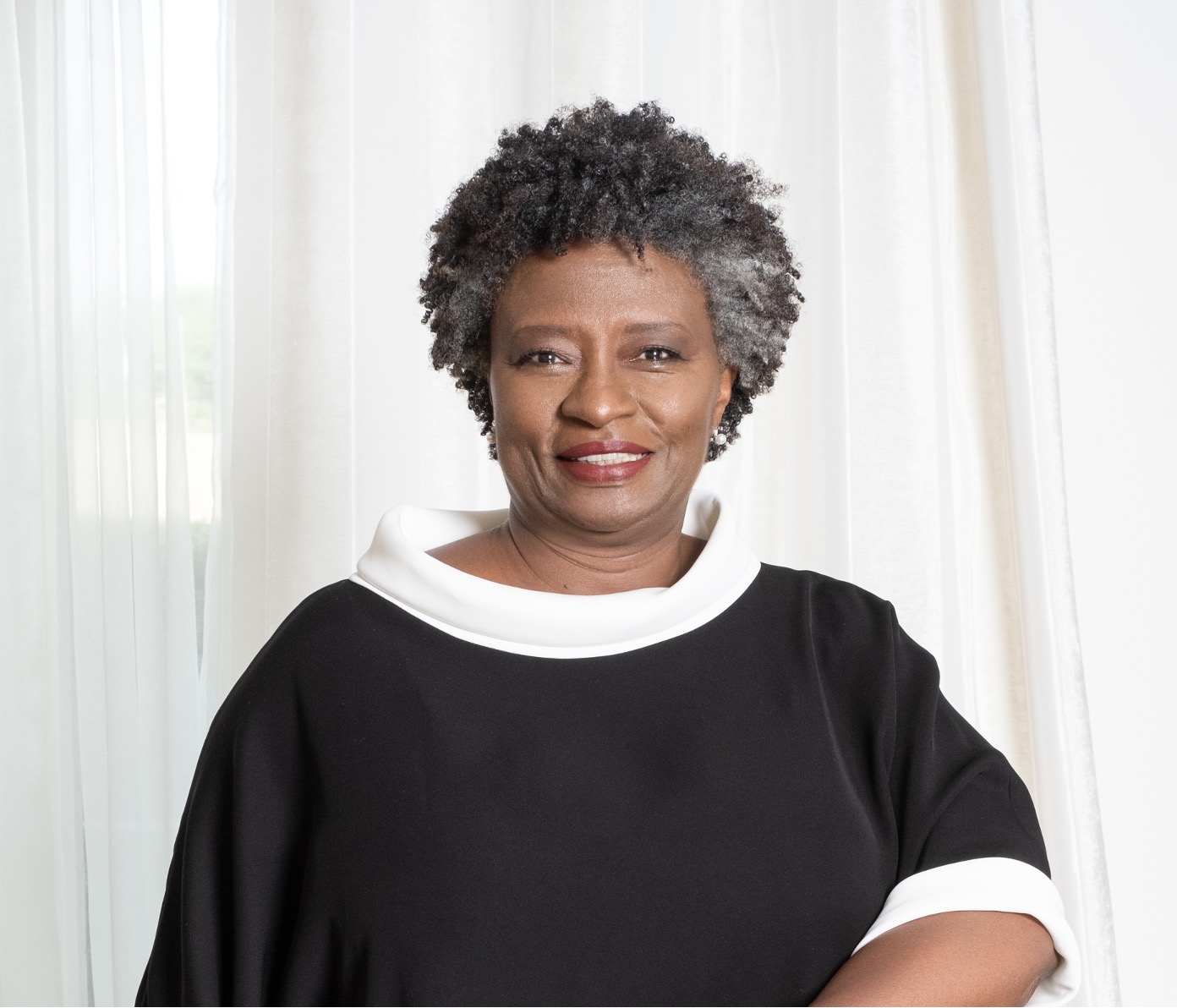
A former Minister of Health of Guinea-Bissau, she embodies a unique blend of a talented and experienced public health expert with seasoned diplomacy, and fine political skills. She is the President and co-founder of The Institute for Global Health and Development, a private non-profit foundation established in December 2021. It is dedicated to advancing women’s leadership in global health and promoting women’s empowerment by addressing gender inequality, stimulating financial inclusion and the integration of women into the formal economy. A member of the PREZODE Steering Committee, she is the Vice Chair of the Ethics and Governance Committee and Alternate Board Member of the Global Fund to fight AIDS, Tuberculosis and Malaria for West and Central Africa. She is also a member of the Africa Public Health Foundation Council and Vice Chair of the Africa Constituency Bureau for the Global Fund. She championed transformative reforms of the health sector as the Minister of Health and led the national response to the COVID-19 pandemic as the High Commissioner for COVID-19 in Guinea-Bissau. She was the World Health Organisation Africa Region Director of Communicable Diseases, WHO Representative to Namibia and Ghana, and the Malaria Regional Advisor among other senior positions throughout her two-decade long career with the WHO. A leading voice for gender equality and equity, she is a trailblazer who stands for equitable access to quality health care for all and social justice.
Dr Robalo is a medical doctor with a Master of Science degree in epidemiology and a postgraduate diploma in public health and tropical medicine.
Ms. Nina Jamal, International Head on Pandemics & Campaign Strategies, Four Paws
Nina Jamal is the International Head of Pandemics & Campaign Strategies at FOUR PAWS International, a global animal welfare organization for animals under direct human influence. Before taking on that role and, since 2013, she led the International Campaigns on Farm Animals and Nutrition at FOUR PAWS. Nina also worked on climate campaigns and international policy within the UN Framework Convention on Climate Change negotiations as well as in the private sector on sustainability and UNIDO on the implementation of international multilateral environmental agreements. Her academic background is in Environmental Health Sciences, Public Health, and International Environmental Policy.
Dr. Chris Walzer, Executive Director of Health, Wildlife Conservation Society – WCS
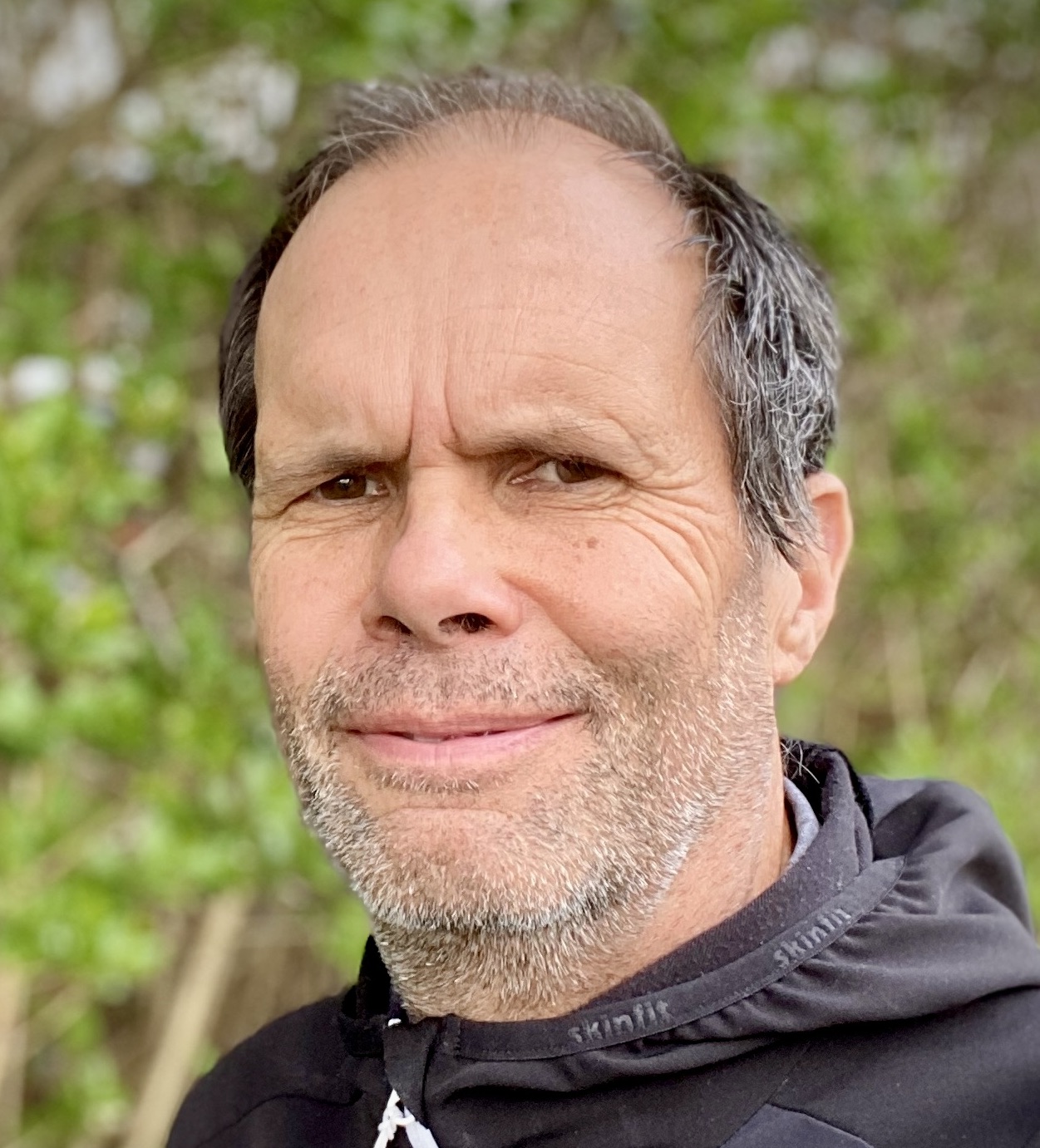
Chris Walzer is the Executive Director of Health at the Wildlife Conservation Society in New York and a board-certified wildlife veterinarian. A tenured professor of Conservation Medicine at the University of Veterinary Medicine in Vienna, Austria, he bridges veterinary practice, academia, and conservation action. With over 130 peer-reviewed publications and numerous book chapters, Chris is an internationally recognized expert in One Health, human-livestock-wildlife interactions, and zoonotic disease research. His career spans leadership roles and research across Europe, Asia, Africa, and Latin America. Notably, he spent two decades in Mongolia’s Gobi region, contributing to the conservation of the Przewalski’s horse and Asiatic wild ass while linking wildlife health with broader ecological goals. His recent work focuses on zoonotic pathogens, environmental encroachment, and the wildlife trade. Chris has also spearheaded large-scale EU-funded ecological connectivity and biodiversity projects in the Alps and has received multiple awards, including Mongolia’s Distinguished Environmentalist Award, for his efforts to protect the nation’s rare species. Through his diverse expertise, Chris continues to drive impactful solutions at the intersection of health and the environment.
Dr. Marisa Peyre, Deputy head of the Cirad ASTRE research unit and co-founder of the PREZODE Initiative
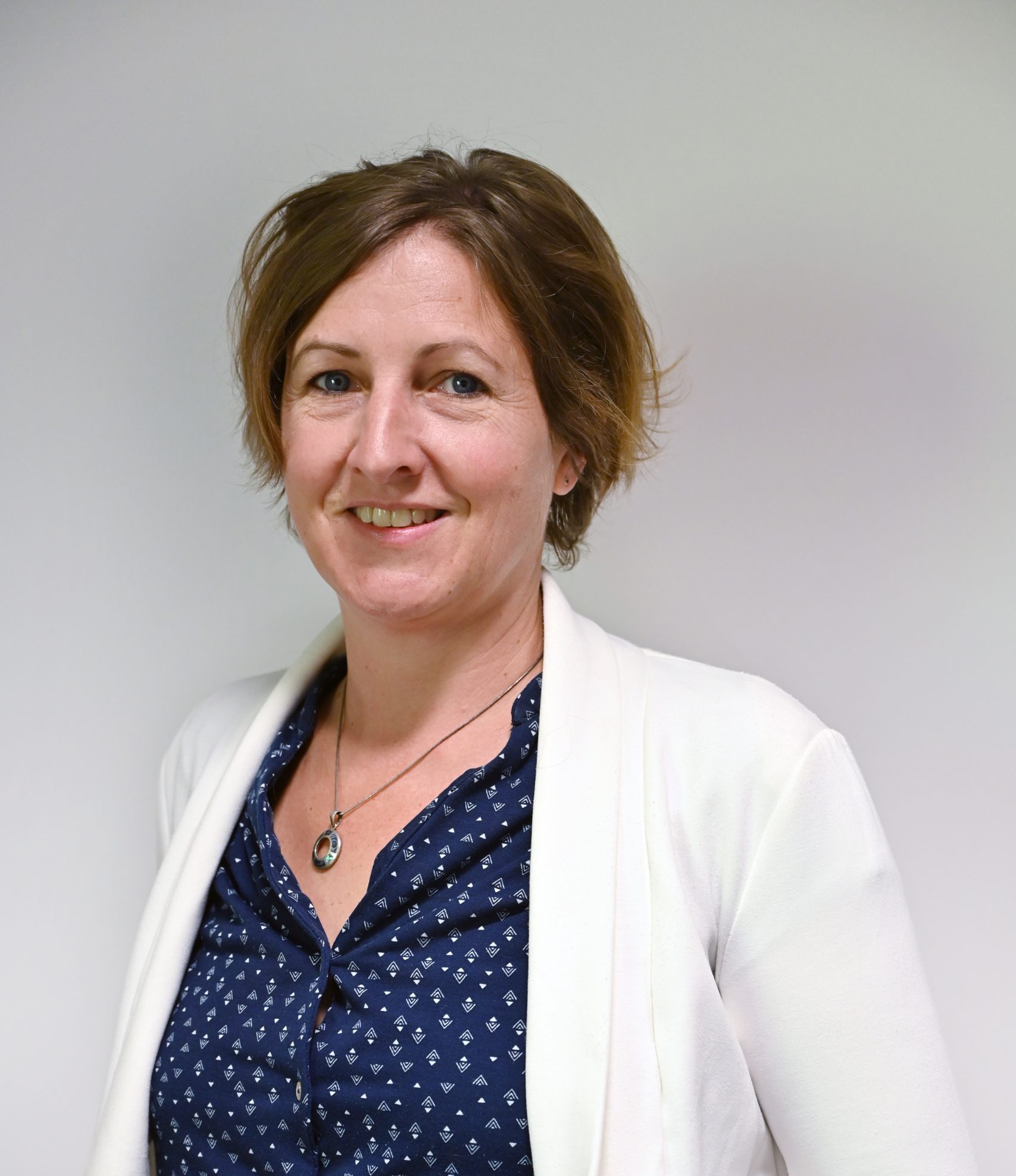
Dr. Marisa Peyre, co-founder of PREZODE is Deputy head of ASTRE UMR – CIRAD.
She is an epidemiologist specializing in the evaluation of surveillance and control programs for animal, zoonotic, and emerging diseases. She has initial training (PhD) in immunology (human health) and a specialization in economics and health program evaluation. She is driving international paradigm changes towards increased prevention of health risks using a bottom-up approach and evidence-based evaluation. She conducts research on the evaluation of surveillance and control systems (including wildlife and integrated surveillance systems). She holds a broad expertise in the design and evaluation of health systems, both in developed and developing countries, especially related to emerging zoonotic risks such as animal Influenza, Ebola and MersCov; in animal health economics, participatory epidemiology and public-private partnerships. She provides expertise for international organizations such as WOAH, FAO, WHO, The Pandemic Fund, The World Bank.
Dr. Chadia Wannous, Head of the One Health and Global Frameworks Department, World Organisation for Animal Health
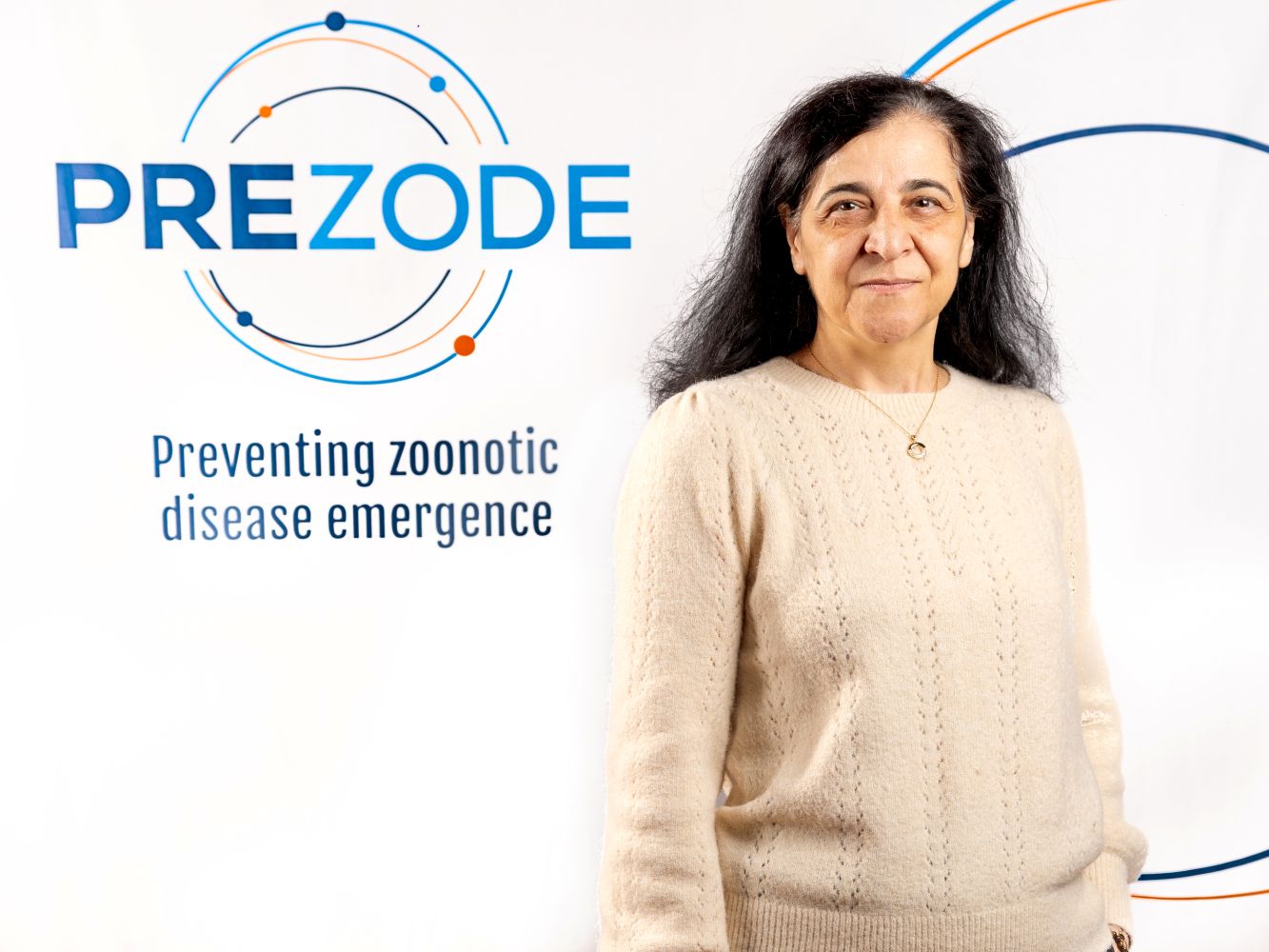 Chadia Wannous is a Public Health specialist, holder of a PhD in International Health and Development from Tulane University School of Public Health (New Orleans,) and a MSc from London School of Hygiene and Tropical Medicine, MPH in Public Health (Damascus), following a first degree in Dentistry (Damascus).
She has 30 years of track record implementing national, regional and international programmes in areas of health policy, advocacy, programme management, research, and coordination, with particular focus on emergency preparedness and response, risk reduction, and building resilience of communities and systems. She worked in the USA, Switzerland, Egypt, the Maldives, Thailand and Syria.
Previous employers include the UN Office for Disaster Risk Reduction, the Office of the UN Secretary General’s Special Envoy on Ebola, the UN System Influenza Coordination (UNSIC) Office (various positions), the UN Development Programme (UNDP), the World Health Organization (various positions), Tulane School of Public Health (US) and the Ministry of Health, Syria, her country of birth.
Chadia joins WOAH to support the implementation of the Regional Tripartite and One Health activities in Africa, including but not limited to antimicrobial resistance, rabies, Rift Valley fever, and other emerging and reemerging zoonotic diseases. The position is in part funded by the US Disaster Threat Reduction Agency (DTRA) through a grant to the three Tripartite Partners FAO, WOAH and WHO, to assist in the operationalization of the One Health agenda, including the IHR-2005 Monitoring and Evaluation Framework, best known through its main tool, the Joint External Evaluations (JEE), a subject Chadia is deeply familiar with, and the organization with WHO and FAO, of National Bridging Workshops (IHR and PVS).
Chadia is a member of the International Organizations College of the Steering Committee.