On March 5 2026, PREZODE convened a panel discussion to examine how to define and measure indicators that capture the added value and impact of zoonotic disease prevention.
Preventing the emergence of zoonotic diseases is one of the defining challenges of our time — and one that is inherently cross-sectoral. In a One Health world, prevention requires coordinated action across human health, animal health, and ecosystems, and demands tools and frameworks that can demonstrate its value long before a crisis unfolds.
The discussion addressed the methodological challenges, data gaps, and equity considerations that shape — and often constrain — the way we monitor, evaluate, and justify investment in prevention.
The panel featured Dr. Osman Ahmed Dar, Senior Advisor at the Africa Centres for Disease Control and Prevention (Africa CDC) and member of the One Health High Level Expert Panel (OHHLEP); Prof. Wanda Markotter, Director of the Centre for Viral Zoonoses at the University of Pretoria and Co-Chair of the OHHLEP; Dr. Marc Leandri, Associate Professor of Economics at Université Paris Saclay and researcher at UMI SOURCE-IRD, and Yoeri Booijink, One Health Economist at CIRAD. The discussion was moderated by Dr. Christina Pettan-Brewer, global One Health leader at the University of Washington School of Medicine. (See bios below)
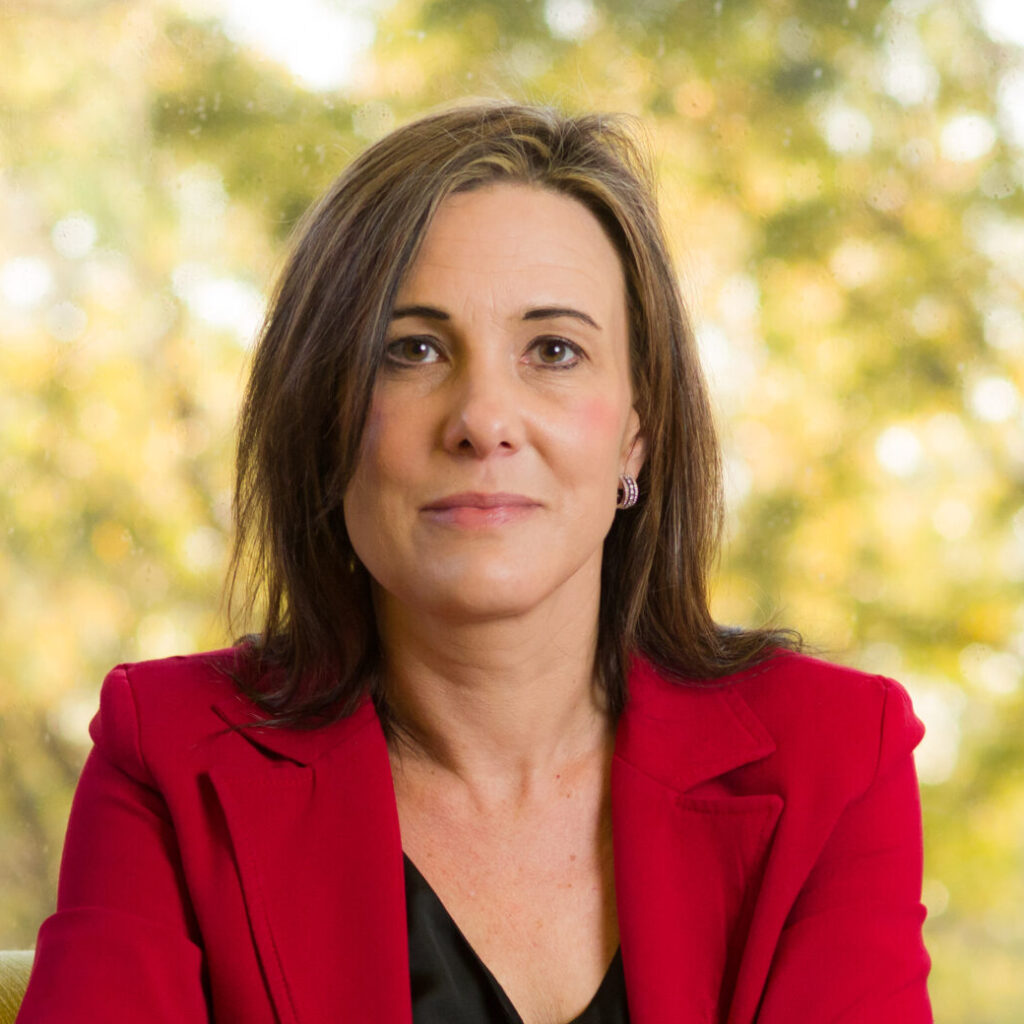 Wanda Markotter, Interim Director of Future Africa, University of Pretoria
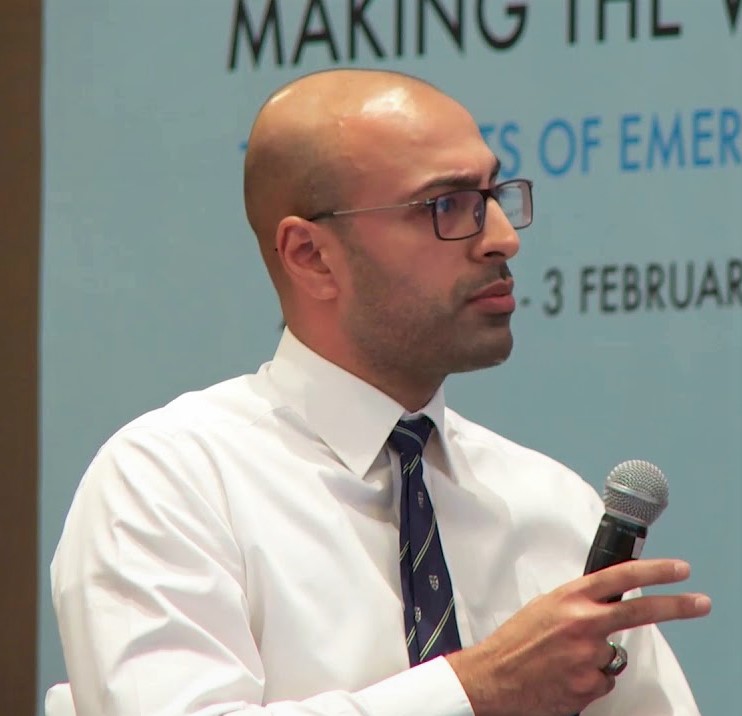 Osman Ahmed Dar, Senior Advisor on Policy and Strategy, Africa CDC
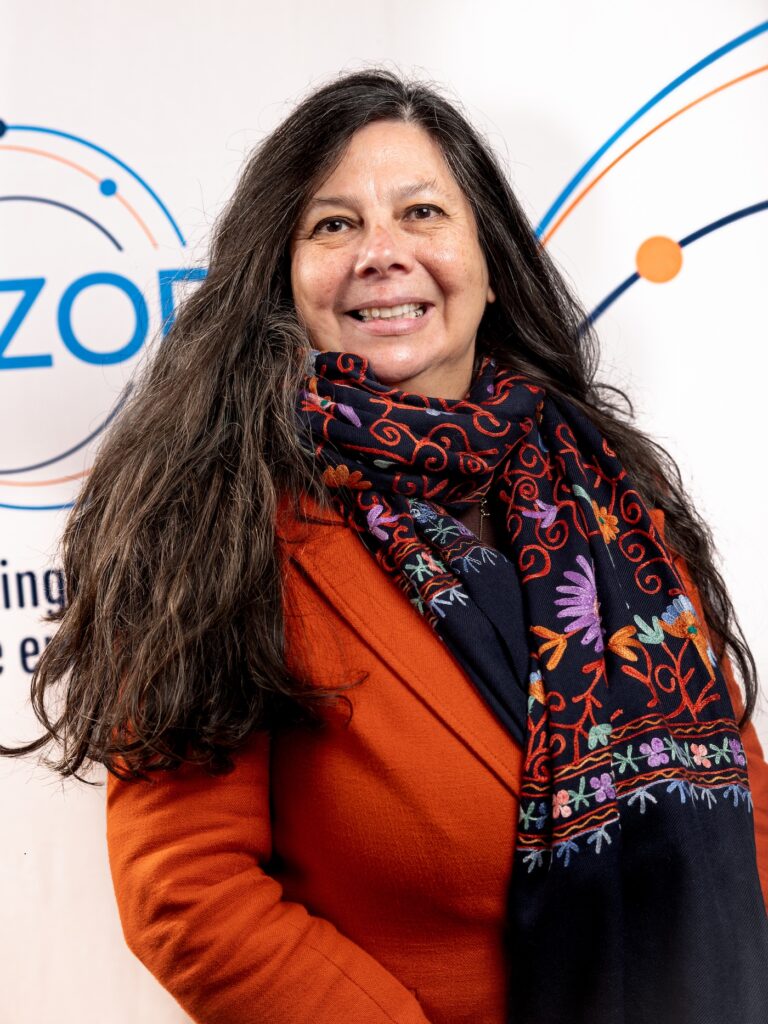 Christina Pettan-Brewer, Associate professor, University of Washington
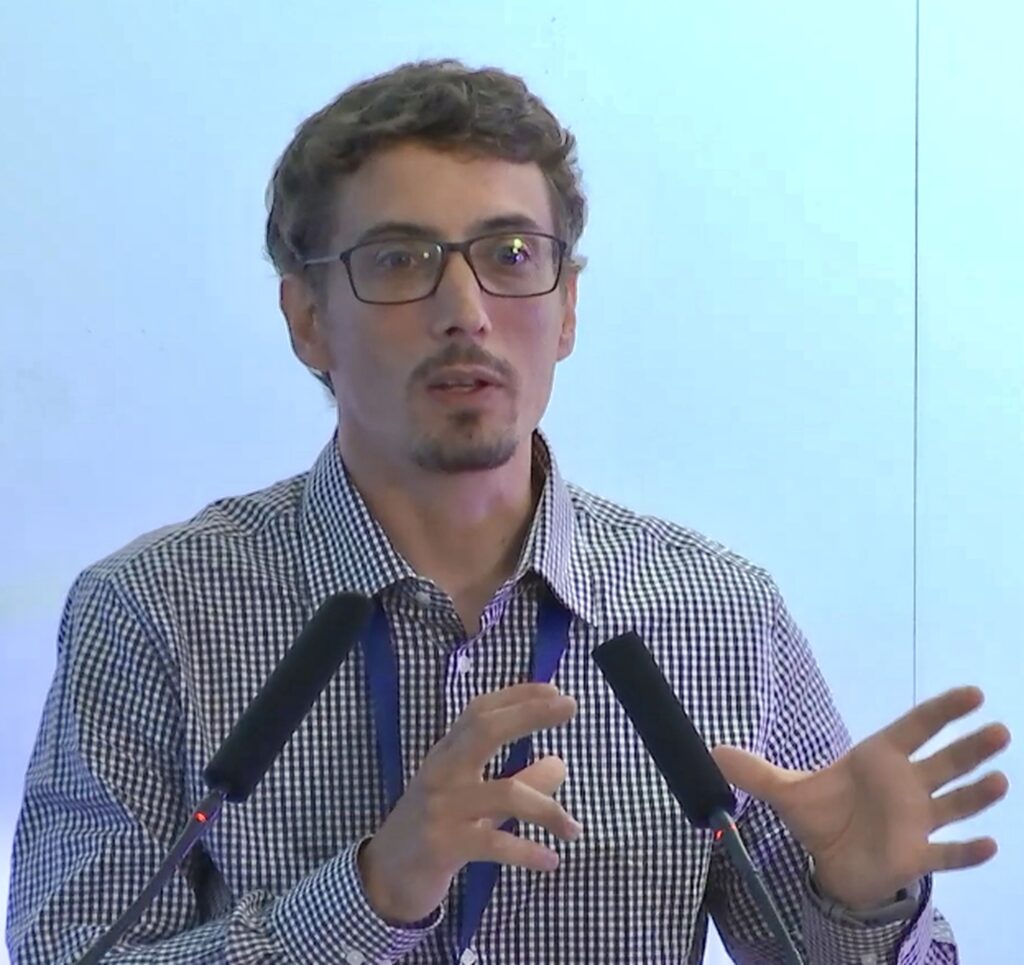 Marc Leandri,
Associate professor of economics,UVSQ
 Yoeri Booijink,
One Health Economist, CIRAD
The prevention paradox
Measuring the impact of zoonotic disease prevention faces a fundamental paradox: when prevention succeeds, nothing happens — no outbreaks, no spillover, no transmission. This invisibility makes it extremely difficult to demonstrate prevention’ added-value, justify investment, or sustain political commitment. Overcoming this requires developing indicators capable of capturing “negative” outcomes — avoided spillover, reduced transmission risk, improved system resilience — and identifying which, among process, output, outcome, proxy, and early-warning metrics, are most actionable for policymakers and funders.
A methodology frontier
A second layer of complexity comes from the cross-sectoral nature of One Health prevention. Conventional indicator sets rarely capture the co-benefits that prevention generates — such as biodiversity protection, food system safety, or social resilience — nor do they easily integrate data across human, animal, and environmental health sectors. Translating emergence risk into economic burden remains a key methodological frontier.
Finally, any indicator framework must be both rigorous and practical: representative across low- and high-resource settings, comparable across scales, and adaptable to local contexts and capacity constraints. Even where good indicators exist, technical, institutional, and political barriers can prevent them from driving action — and closing that gap will be a core focus of the discussion.
Meet our speakers
Professor Wanda Markotter is the Interim Director and Research Chair: People, Health, and Places (One Health) at Future Africa, University of Pretoria, South Africa. She also serves as Director of the Centre for Viral Zoonoses (UP-CVZ) in the Faculty of Health Sciences and holds the DSTI-NRF South African Research Chair in Infectious Diseases of Animals (Zoonoses). Her interdisciplinary research focuses on bat pathogens and predicting and preventing spillover risks in Africa. Prof Markotter is Co-Chair of the One Health High-Level Expert Panel (OHHLEP), advising the WHO, WOAH, FAO, and UNEP and part of The Lancet Commission on Prevention of Spillover. Outputs include over 100 publications, keynote presentations at prominent international conferences, several popular press and education contributions and articles, and appearances on radio and television. She contributes significantly to capacity building; more than 75 post-graduate students have graduated under her supervision.sor Wanda Markotter
Dr. Osman Ahmed Dar is a fellow of the Royal College of Physicians (Edinburgh) and a fellow of the Faculty of Public Health (UK) specialized in public health medicine and communicable disease control. He has wide ranging international experience of health system strengthening, humanitarian response and global health security having lived and worked across Europe, Africa, the Middle East and South Asia.
Internationally, Osman is a Senior Advisor on Policy and Strategy in the Office of the Director General at the Africa Centres for Disease Control and Prevention where he is currently based. In addition, he is a member of the One Health High Level Expert Panel (OHHLEP) which advises WHO, WOAH, FAO and UNEP on the development of their global One Health strategies, including their joint activities on pandemic prevention, preparedness and response, the control of emerging zoonoses, and other health crises at the human-animal-environment interface. Osman also currently serves on the World Bank Pandemic Fund Technical Advisory Panel – a group of independent subject matter experts that technically appraise all submissions made to the Fund for grant support.
In his role at the UK Health Security Agency (UKHSA), Osman is a senior medical consultant in global health with a broad portfolio of activities as a technical operational lead, educational supervisor, and senior research academic publishing extensively across public health and related disciplines. He was the lead coordinating author for the 2023 Lancet Series on Global Health Security and One Health and a contributing author on the Lancet One Health Commission (2025). At Chatham House, Osman is an Associate Fellow with the Global Health Programme. His primary focus is on supporting the institute’s One Health projects, including multi-sectoral collaboration for the prevention and control of zoonotic diseases, emerging infections, food safety, and antimicrobial resistance.
Dr. Marc Leandri is an Associate Professor of Economics at UVSQ- Université Paris Saclay and a researcher at UMI SOURCE-IRD. His work focuses on the economics of health and environment, with a particular interest in One Health approaches and risk perceptions for vector-borne diseases. He serves as Chair of the Socio-Economic Experts Council at the French Agency for Food, Environmental and Occupational Health and Safety (ANSES). He is also a visiting research fellow at the Agence Française de Développement (AFD). His current research addresses the economic value of One Health prevention policies for zoonotic diseases in the North and the Global South.
Dr. Christina Pettan-Brewer is a veterinary scientist, associate professor, educator, and global One Health leader at the University of Washington School of Medicine. Her career spans academic research, international diplomacy, and community engagement. She holds advanced degrees in veterinary medicine and infectious diseases (DVM, MSc, three postdoctoral fellowships, including EID at the CDC) and a PhD in Global One Health focused on Indigenous Health. With peer-reviewed publications, book chapters, reports, and service on multiple editorial boards, technical WGs, and steering committees, she contributes extensive expertise to global pandemic prevention. A senior scientific advisor for The Americas, she has led One Health/Ecohealth/Planetary Health initiatives and implementation across the Global South since 2010 and advises international organizations. She is also the Editor-in-Chief of CABI’s ‘Beyond One Ocean’s Health’. Born in Brazil, she serves as ABRASUNI vice president, founded and co-founded Latin America One Health networks and OH initiatives, and has dedicated over 35 years to advancing human and animal health, equity, inclusion, and environmental sustainability worldwide. (The Americas)
Yoeri Booijink is a One Health Economist at CIRAD, specializing in evaluating the Return on Investment (ROI) of the One Health Approach. He is a Core Group Collaborator for the Quadripartite-powered Community of Practice (CoP) on ROI for One Health and One Health Investment Planning. This inclusive, multi-stakeholder initiative focuses on developing investment pathways and providing guidance to assist countries in their economic assessments and national One Health investment planning. Holding a degree in Animal Science and Economics from Wageningen University, Yoeri bridges the gap between economic theory and agricultural reality; in addition to his research, he is an active dairy farmer in the Netherlands, bringing a practical perspective to global health investment strategies.