On a planet with limited boundaries, protecting and restoring nature is an imperative to preserve global health and tackle the risk of pandemics and zoonosis. Lectures and testimonies from the ground prove the effectiveness of nature-based solutions.
According to the International Union for Conservation of Nature (IUCN), Nature-based Solutions are actions to protect, conserve, restore, sustainably use and manage natural or modified ecosystems in ways that address societal challenges while providing benefits for human well-being and biodiversity.
Held on June 18, 2026, the PREZODE webinar on Nature-Based Solutions (NbS) explored their contribution to preventing zoonotic disease emergence and strengthening One Health approaches. Bringing together expertise from conservation, epidemiology, ecology, and public health, the presentations highlighted growing evidence that protecting, restoring, and sustainably managing ecosystems can reduce health risks while delivering multiple benefits for biodiversity, climate, and local communities.
The session featured presentations by Dr. Neil Vora (Preventing Pandemics at the Source Coalition), Dr. Paula Ribeiro Prist (IUCN), and Dr. Serge Morand (CNRS and Kasetsart University), followed by a discussion with participants. (See the bios below)
There is no future for humanity without nature
Neil Vora introduced the concept of planetary boundaries-processes that regulate the Earth’s stability. While humanity has achieved remarkable progress in health, education, and poverty reduction, these gains are now increasingly threatened by the transgression of planetary boundaries. Drawing on concepts from One Health and Planetary Health, he argued that human well-being ultimately depends on healthy ecosystems. He contrasted two competing visions of development: one emphasizing technological solutions to overcome environmental constraints, and another recognizing humanity as embedded within ecological systems and planetary boundaries. “We have to accept that living within ecological boundaries is not optional. And zoonotic diseases are a case in point: They are showing how our broken relationship to nature is leading to more outbreaks, epidemics, and pandemics”. In that aspect, nature-based solutions are a critical component of pandemic prevention strategies.
Over 30 percent of the carbon dioxide emissions reduction needed to reach our climate goals comes from nature. Yet nature receives less than 5 percent of overall climate funding.
Neil Vora stressed the need for stronger evidence demonstrating both the health costs of environmental degradation and the health benefits generated by investments in ecosystem protection and restoration. He also called for broader societal engagement beyond scientific communities, including partnerships with local communities, Indigenous Peoples, artists, and policymakers, to support transformative change.
How much land is protected, where it is located, and how ecosystems are managed can significantly influence zoonotic and vector-borne disease risks
Dr. Paula Ribeiro Prist presented several case studies illustrating how nature-based solutions can reduce the risk of zoonotic and vector-borne diseases. From her research on Brazil’s Atlantic Forest, she demonstrated that Indigenous Territories and protected forests can contribute to lower incidence rates of several zoonotic and vector-borne diseases. In the Amazon Basin, indigenous lands play a major role in maintaining ecosystem services, including the removal of harmful air pollutants generated by forest fires. Protecting these areas could prevent millions of cases of fire-related illnesses while generating substantial savings in healthcare costs.
When we include human health in the evaluation of the costs and benefits of nature-based solutions, the benefits are always overcoming the costs.
Paula Prist also presented economic analyses conducted in Liberia, where the health benefits associated with protected areas outweighed conservation costs across multiple scenarios, linking avoided malaria cases and forests protection: “When we include human health in the evaluation of the costs and benefits of nature-based solutions, the benefits are always overcoming the costs”.
Another modeling research led in Brazil on hantavirus, yellow fever, and dengue showed that ecosystem restoration can generate different outcomes depending on landscape configuration, disease ecology, and local environmental conditions. Effective nature-based solutions, therefore, require careful design, monitoring, and assessment of potential trade-offs between different health and conservation objectives. Brazil’s native vegetation law requires 20% land protection, but compliance is rare. To keep models realistic, Paula Prist advised adjusting plans to balance conservation with zoonotic risk reduction based on each disease’s drivers. For hantavirus and yellow fever co-risk, for instance, win-win outcomes require increasing forest cover while avoiding increased forest connectivity.
Rewilding community forest and community forestation
Dr. Serge Morand presented experiences from the PREACTS-ASAMCO programme in Thailand and Laos, which focuses on upstream prevention and co-designed solutions with communities for reducing zoonotic risk. Building on the One Health High-Level Expert Panel (OHHLEP) framework, he emphasized the need to address the environmental and social drivers of disease emergence before spillover events occur: “We need to put prevention much more upstream, really on the environment and the social ecosystems“. ASAMCO investigates how community forestry, ecosystem restoration, and eco-health pastoralism can contribute to reducing zoonotic risks while supporting biodiversity conservation. Thailand has adopted a Community Forest Act, which grants local communities the right to manage their common forest with their own rules. Research conducted in the north of the country suggests that increases in forest cover are associated with reduced transmission risk of scrub typhus.
Ecohealth pastoralism, reforestation, and rewilding are effective solutions to enhance biodiversity while managing zoonotic disease transmission risk.
Beyond ecological outcomes, the presentation emphasized adaptive solutions based on participatory approaches, local ecological knowledge, and strong community engagement. His presentation underscored how locally managed forests can strengthen both ecosystem resilience and community capacity to address health and environmental challenges. He also stressed the importance of equitable data governance, advocating for the integration of both FAIR (Findable, Accessible, Interoperable, Reusable) and CARE (Collective Benefit, Authority to Control, Responsibility, Ethics) principles when working with Indigenous Peoples and local communities.
From evidence to action
Following the three presentations, a discussion focused on translating scientific evidence into policy and practice. The speakers referred to the findings of the IPBES Nexus Assessment, which highlights the interconnections between biodiversity, climate, water, food and health. Paula Prist summarized it: “Acting on one solution – biodiversity, for example- shows positive effects for climate, food, water, and human health”. Many response options generate co-benefits across multiple sectors, reinforcing the value of integrated approaches rather than siloed interventions.
A recurring question concerned the gap between evidence and implementation. Despite evidence that prevention and nature-based solutions generate substantial economic and social returns, investment levels remain insufficient. Speakers identified several barriers, including short-term political priorities, limited recognition of nature’s contribution to human wellbeing, and decision-making systems that often overlook environmental determinants of health. Concentration of economic and political power, along with the continued influence of industries whose activities contribute to biodiversity loss, climate change, and ecosystem degradation also jeopardize efforts. Therefore, strengthening public awareness, supporting local governments and municipalities, and fostering broader societal engagement around prevention remain key levels for action. People must restore their relationship with nature, especially those living in urban areas. Disconnection from natural systems is a barrier to transformative change, making education, community participation, and local stewardship essential components of long-term prevention strategies.
Looking ahead
Across diverse geographical contexts—from the Amazon and Liberia to Southeast Asia—the webinar demonstrated that nature-based solutions contribute to reducing zoonotic disease risks while simultaneously supporting biodiversity conservation, climate resilience, and community wellbeing.
While important knowledge gaps and implementation challenges remain, the evidence presented reinforces a central message of PREZODE: preventing future pandemics requires addressing the environmental drivers of disease emergence and investing in healthy, resilient ecosystems as a foundation for human health. As synthesized by Neil Vora, “We must go out of our comfort zone to build new partnerships and engage the communities and beings we are trying to serve”.
Speakers’ biography
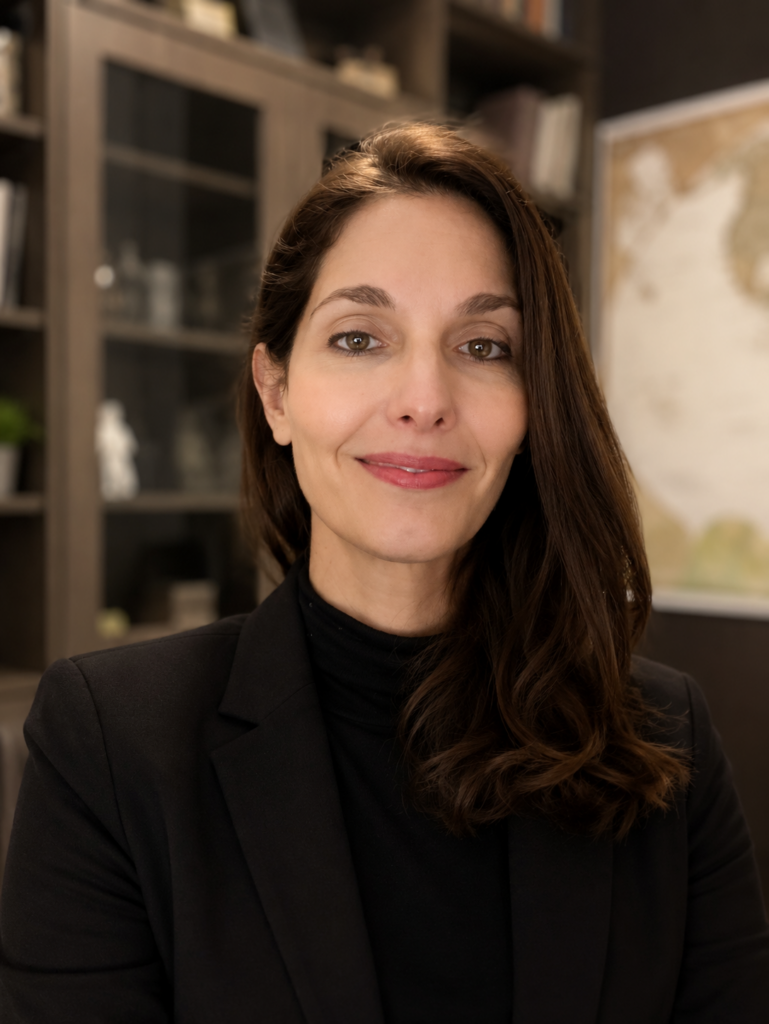
Dr. Paula Ribeiro Prist is a Senior Programme Coordinator for Forest and Grasslands Unit at IUCN.
A biologist by training, Dr. Prist holds a master’s, doctorate and post-doctorate in landscape epidemiology from the University of São Paulo. Her line of research focuses on trying to understand how to create healthy landscapes for people, with a focus on multifunctional landscapes that can mitigate climate change, provide ecosystem services and also provide positive health outcomes. She was the Principal Scientist for Conservation and Health at EcoHealth Alliance for four years and was a Co-Lead Author of the next IPBES Nexus. Currently, she leads the IUCN thematic group of human health (300 – 1000 members), and is a member of the Future Earth Health Kan, of the STAR-IDAZ & GloPID-R – One Health Working Group, and of the Scientific Panel of the Amazon.
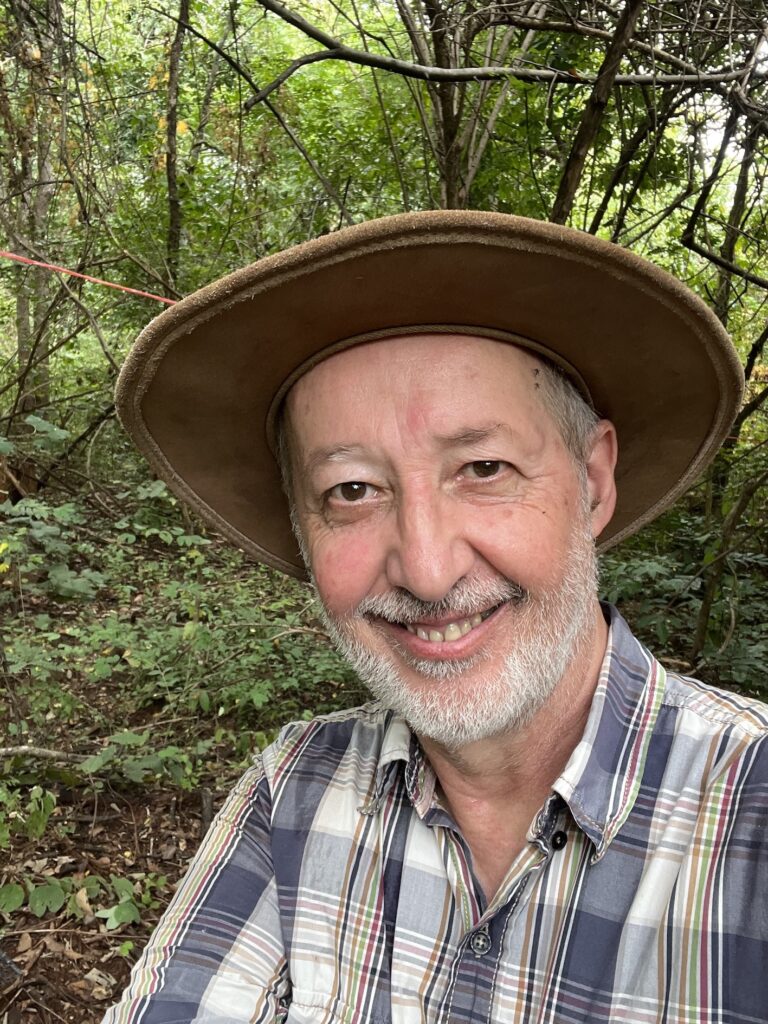
Dr. Serge Morand is a health ecologist with a background in zoology and evolutionary biology. He leads projects on the links between biodiversity, health, and societies in Southeast Asia, including ASAMCO Thailand and Laos, a PREZODE PREACTS project, implemented by IRD, funded by AFD. This project aims to prevent zoonoses at the ecosystem level and at the livestock-wildlife interface. He is the Director of the International Research Laboratory HealthDEEP (Health, Disease Ecology, Environment and Policy), joining Centre National de la Recherche Scientifique (CNRS), , and Mahidol University in Bangkok (Thailand).
Serge is a member of the One Health High-Level Expert Panel (OHHLEP) in support of the One Health Quadripartite (WHO, WOAH, FAO, UNEP) and a member of the Technical Advisory Group of Nature4Health (UNEP).

Dr. Neil Vora, MD, is a physician, epidemiologist and conservationist who serves as the Executive Director for the Preventing Pandemics at the Source Coalition (PPATS) and Orchestrator-in-Residence at Integral. He served for nearly a decade with the US Centers for Disease Control and Prevention (CDC), through which he deployed to Liberia in 2014 and to the Democratic Republic of the Congo in 2019 to assist in the responses to the two largest Ebola outbreaks ever. He also led the investigation of a newly discovered smallpox-like virus in the country of Georgia in 2013. In 2020, Neil was asked by New York City (NYC) Mayor Bill de Blasio to develop and lead NYC’s COVID-19 contact tracing program, through which he oversaw a team of over 3,000 staff that traced more than 700,000 affected New Yorkers. He still sees patients in a public tuberculosis clinic in New York City. From 2021-2025, he served as a technical fellow and Senior Advisor for One Health at Conservation International. He has published more than 100 articles in leading outlets such as the New York Times, Nature, New England Journal of Medicine, and The Lancet. In 2023, he delivered a TED talk on how stopping deforestation is a critical intervention for preventing pandemics and mitigating climate change. In 2025, he was named to the TIME100 Next list of “World’s Most Influential Rising Stars”. Outside of work, Neil loves to train in Brazilian jiu jitsu.